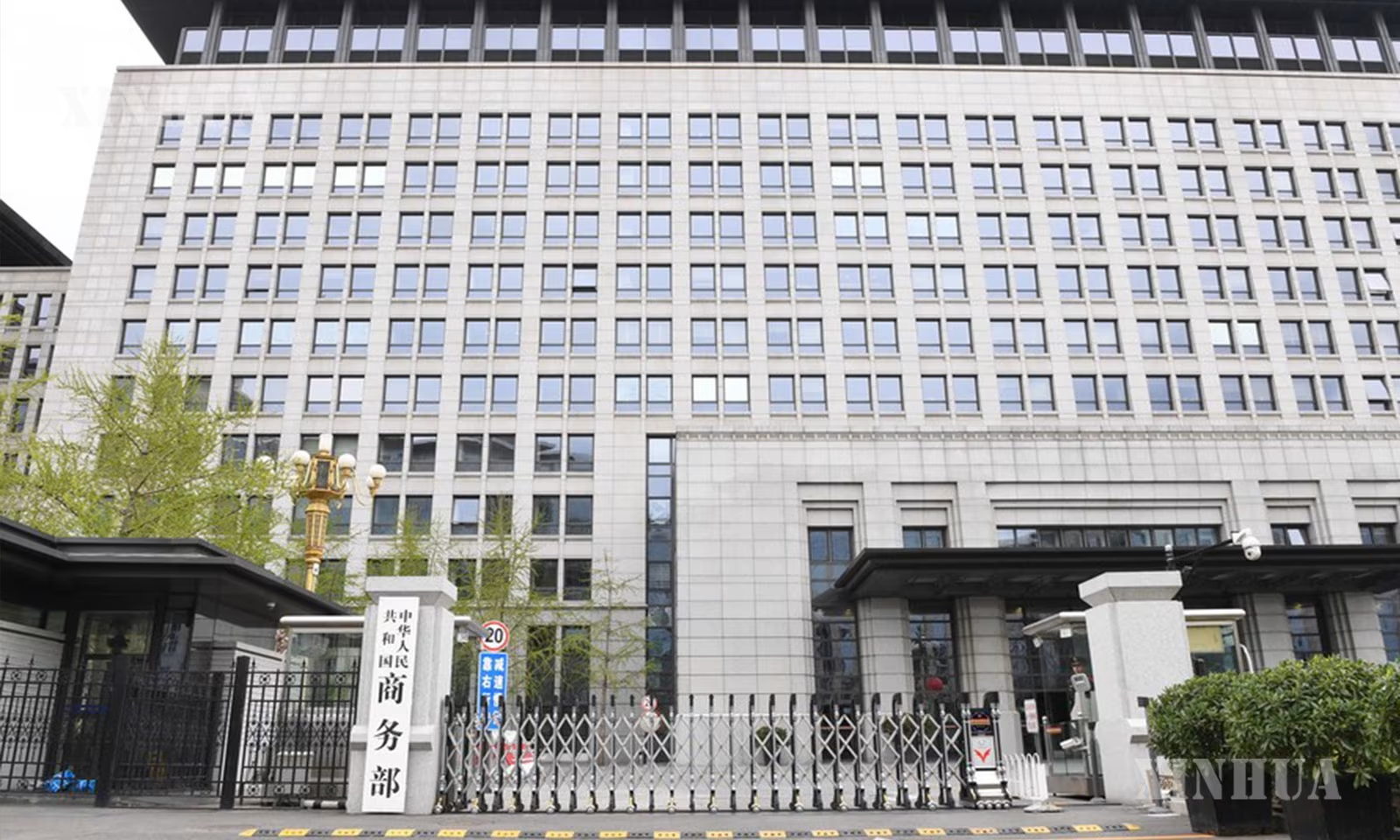
ပေကျင်း၊ နိုဝင်ဘာ ၅ ရက် (ဆင်ဟွာ)
ဥရောပသမဂ္ဂ (EU) က အကောက်ခွန် ယူရို ၃ ယူရို ကောက်ခံသည့် စည်းမျဉ်းကို ယခုနှစ် ဇူလိုင်တွင် စတင်မိတ်ဆက်အသုံးပြုခဲ့ပြီးနောက် တန်ဖိုးနည်း ကုန်ပစ္စည်းတင်သွင်းမှုများအပေါ် ကိုင်တွယ်ဆောင်ရွက်ခ ၂ ယူရို ကောက်ခံသည့် စည်းမျဉ်းအသစ်ကို နိုဝင်ဘာ ၁ ရက်မှစတင်၍ ပြဋ္ဌာန်းလိုက်ခြင်းအပေါ် တရုတ်နိုင်ငံက အလွန်အမင်း စိုးရိမ်သည်ဟု တရုတ်နိုင်ငံ စီးပွားရေးနှင့် ကူးသန်းရောင်းဝယ်ရေးဝန်ကြီးဌာနက နိုဝင်ဘာ ၅ ရက်၌ ပြောကြားခဲ့ကြောင်း သိရသည်။
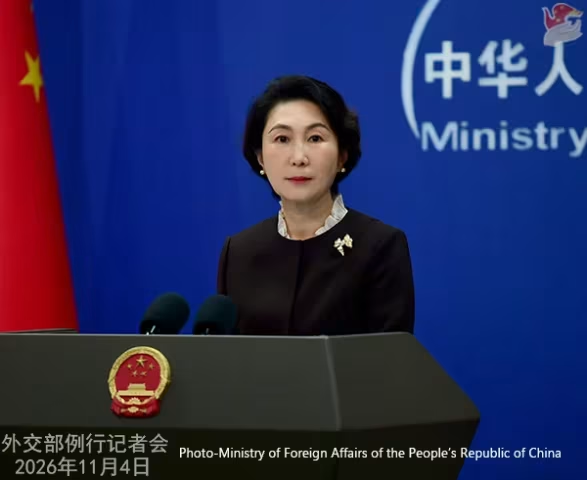
နိုင်ငံတကာကုန်သွယ်ရေးဆိုင်ရာ စီးပွားရေးပုံစံသစ်ဖြစ်သော နယ်စပ်ဖြတ်ကျော် e-commerce သည် ကမ္ဘာတစ်ဝန်းရှိ စီးပွားရေးလုပ်ငန်းများနှင့် စားသုံးသူများအတွက် ရွေးချယ်စရာ ပိုမိုစုံလင်စွာ ပေးစွမ်းကြောင်း ဝန်ကြီးဌာန ပြောရေးဆိုခွင့်ရှိသူ ဟွမ်လျင် က ပုံမှန်သတင်းစာရှင်းလင်းပွဲတွင် မှတ်ချက်ပြုပြောကြားခဲ့သည်။
EU အနေဖြင့် သက်ဆိုင်ရာ မူဝါဒများ၏ သက်ရောက်မှုကို သေချာစွာ သုံးသပ်ဆန်းစစ်ပြီး e-commerce အပါအဝင် အခြားကဏ္ဍများတွင် တရုတ်-EU ပူးပေါင်းဆောင်ရွက်မှုအတွက် အဆင်ပြေကောင်းမွန်သော အခြေအနေများကို ဖန်တီးပေးမည်ဟု တရုတ်နိုင်ငံက မျှော်လင့်သည်ဟုလည်း ဟွမ်က ပြောကြားခဲ့ကြောင်း သိရသည်။ (Xinhua)
..........................................
(English Version)
China voices concern over EU's new fees on low-value imports
BEIJING, Nov. 5 (Xinhua) -- China is highly concerned about the European Union's (EU) new rule of imposing a 2-euro handling fee on low-value imports as of Nov. 1, following a 3-euro customs duty introduced in July this year, the Ministry of Commerce said on Thursday.
Ministry spokesperson Huang Ling noted at a regular press conference that cross-border e-commerce, as a new business form and model of international trade, provides diversified choices for global enterprises and consumers.
China hopes the EU will assess the impact of relevant policies in a prudent manner and create favorable conditions for China-EU cooperation in e-commerce and other fields, Huang said. ■
Photo caption: File photo shows the Ministry of Commerce in Beijing, capital of China. (Xinhua/Li He)