ပေကျင်း၊ အောက်တိုဘာ ၂၂ ရက် (ဆင်ဟွာ)
လွန်ခဲ့သောနှစ်ပေါင်း ၉၀ က ပြီးဆုံးခဲ့သည့် ကီလိုမီတာ ၁၂,၅၀၀ ခန့် အကွာအဝေးသို့ စစ်နည်းဗျူဟာမြောက် ခရီးရှည်ကြီးဖြစ်သည့် တပ်နီတော်၏ ခရီးရှည်ချီတက်ပွဲမှ အထင်ရှားဆုံး အမွေအနှစ်တစ်ခုမှာ ယင်းအမည်ကိုပင် အစွဲပြုခေါ်ဝေါ်သည့် လက်ရှိအသုံးပြုနေသော ဒုံးပျံအုပ်စု ဖြစ်ဖွယ်ရှိသည်။
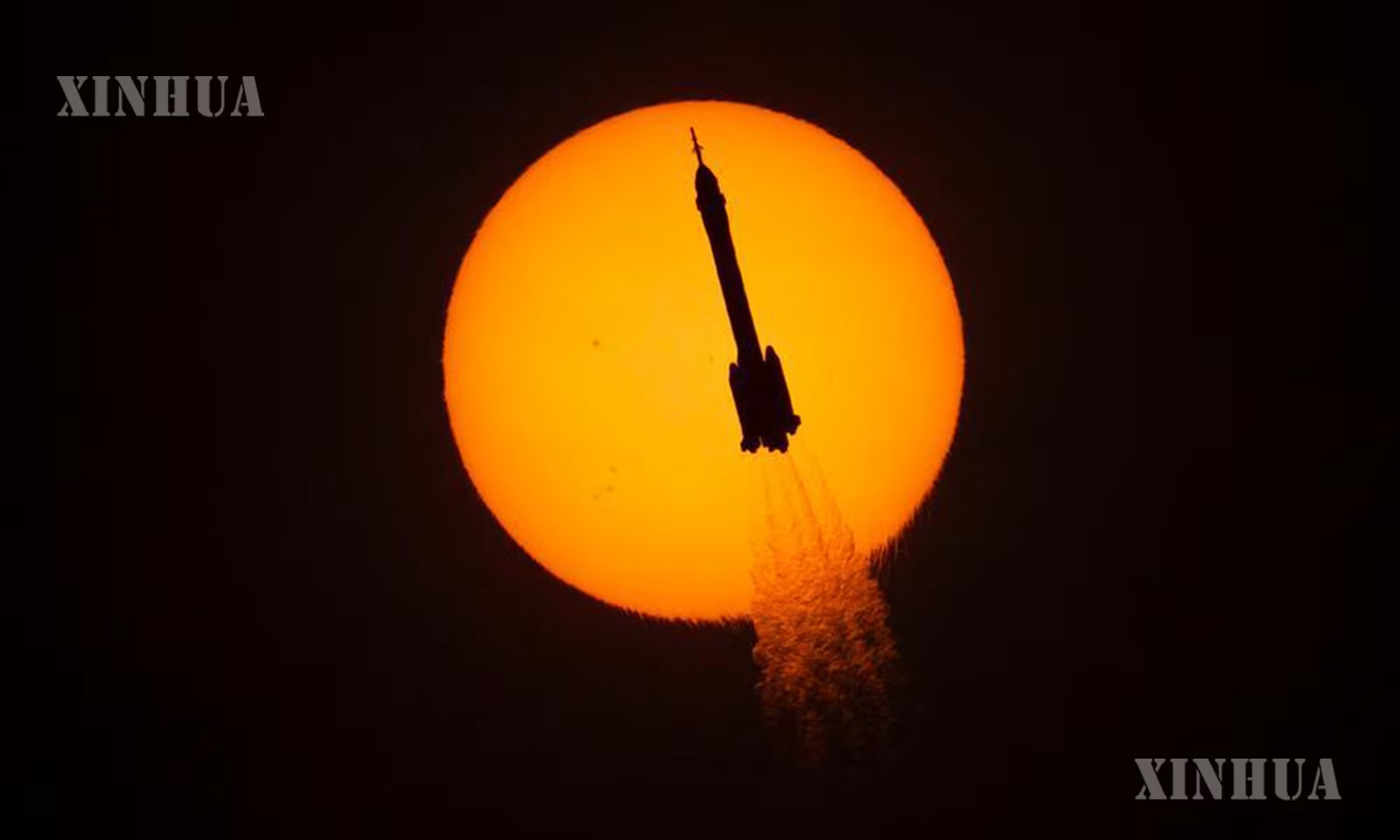
ကမ္ဘာပေါ်တွင် လွှတ်တင်မှုအများဆုံး ဒုံးပျံများအနက် အပါအဝင်ဖြစ်သော တရုတ်နိုင်ငံ၏ Long March ဒုံးပျံများသည် ရာစုနှစ်ဝက်ကျော်အတွင်း ဂြိုဟ်တုများ၊ လူလိုက်ပါသော အာကာသယာဉ်များနှင့် သိပ္ပံဆိုင်ရာ အာကာသစူးစမ်းလေ့လာရေးယာဉ်များကို ဂြိုဟ်ပတ်လမ်းအတွင်းသို့သာမက အာကာသထဲမှ ထို့ထက်ပိုမိုဝေးကွာသော နေရာများအထိပါ ပို့ဆောင်ပေးခဲ့ပြီး တရုတ်နိုင်ငံ၏ အာကာသခရီးလမ်းကြောင်း ဖွင့်လှစ်နိုင်ရန် အထောက်အကူပေးခဲ့သည်။
ဒုံးပျံအား Long March ဟု အမည်ပေးရန် တရုတ်နိုင်ငံ အာကာသနှင့်လေကြောင်းလုပ်ငန်းကဏ္ဍ၏ ရှေ့ဆောင်လမ်းပြအချို့က အကြံပြုခဲ့ကြခြင်းဖြစ်သည်။ "တပ်နီတော်ဟာ ခရီးရှည်ချီတက်ပွဲမှာ အောင်ပွဲရခဲ့သလိုပဲ ဒုံးပျံတွေ တည်ဆောက်တဲ့အခါမှာလည်း အခက်အခဲအားလုံးကို ကျော်လွှားပြီး အောင်မြင်မှုရရှိလိမ့်မယ်ဆိုတဲ့ အနက်အဓိပ္ပာယ်ကို ရည်ညွှန်းတာဖြစ်တယ်" ဟု ၁၉၇၀ ပြည့်နှစ်တွင် ပထမဆုံးအကြိမ် ပျံသန်းခဲ့သည့် Long March-1 ဒုံးပျံ၏ အထွေထွေဒီဇိုင်နာ ဟန်ဟိုကျန့် က ပြောကြားခဲ့သည်။
၁၉၇၀ ပြည့်နှစ် ဧပြီ ၂၄ ရက်တွင် လွှတ်တင်ခဲ့သည့် Long March-1 ဒုံးပျံသည် တရုတ်နိုင်ငံ၏ ပထမဆုံး ဂြိုဟ်တုဖြစ်သော Dongfanghong-1 ကို ဂြိုဟ်ပတ်လမ်းအတွင်းသို့ ပို့ဆောင်ပေးခဲ့သည်။ ထိုအချိန်မှစ၍ အဆိုပါ ဒုံးပျံအုပ်စုသည် သယ်ဆောင်နိုင်စွမ်း ပိုမိုမြင့်မားလာသော အမျိုးအစားစုံလင်သည့် လွှတ်တင်ရေးယာဉ် ဒုံးပျံအုပ်စုအဖြစ် ခေတ်မီတိုးတက်လာခဲ့သည်။ ၂၀၂၆ ခုနှစ် အောက်တိုဘာ ၁၀ ရက်အထိ စာရင်းများအရ ယင်းဒုံးပျံအုပ်စုသည် ဂြိုဟ်ပတ်လမ်းအတွင်းသို့ လွှတ်တင်မှုပေါင်း ၆၇၁ ကြိမ်တိတိ ပြီးမြောက်ခဲ့ပြီဖြစ်သည်။
တရုတ်နိုင်ငံထုတ် အဆိုပါဒုံးပျံများကို တည်ဆောက်ရာတွင် ဖြတ်သန်းခဲ့ရသော ခရီးသည် တပ်နီတော် ချီတက်ခဲ့သည့်ခရီးနှင့် တူညီလျက်ရှိကာ ယင်းဖြစ်စဉ်နှစ်ခုစလုံးသည် ကြီးမားသော အခက်အခဲများ၊ ခိုင်မာသော ဇွဲလုံ့လနှင့် စိန်ခေါ်မှုဟူသမျှကို ရင်ဆိုင်ကျော်ဖြတ်ကာ ရှေ့သို့မရပ်မနားချီတက်မည့် သန္နိဋ္ဌာန်တို့ကြောင့် မှတ်ကျောက်တင်ခြင်းခံခဲ့ရသည်။
၁၉၃၄ ခုနှစ် အောက်တိုဘာလတွင် တရုတ်ကွန်မြူနစ်ပါတီ (CPC) သည် ပြိုင်ဘက် ကူမင်တန်တပ်များ၏ အပြင်းအထန် ဝိုင်းပတ်ပိတ်ဆို့ တိုက်ခိုက်မှုများကို ရင်ဆိုင်ခဲ့ရပြီးနောက် တရုတ်နိုင်ငံအရှေ့ပိုင်း ကျန်းရှီးပြည်နယ်ရှိ ဗဟိုဆိုဗီယက်ဒေသမှ ဆုတ်ခွာခဲ့ရပြီး အနောက်မြောက်ဘက်သို့ ရွှေ့ပြောင်းခဲ့ရသည်။ CPC ဦးဆောင်သော တပ်နီတော်သည် ရန်သူ၏ ပိတ်ဆို့မှုများကို ထိုးဖောက်ကာ ခက်ခဲကြမ်းတမ်းလှသည့် မြေမျက်နှာသွင်ပြင်များကို ဖြတ်ကျော်ရင်း ကြောက်ခမန်းလိလိ ပြင်းထန်သော တိုက်ပွဲများနှင့် ကြီးမားသော ပင်ပန်းဆင်းရဲမှုများကို အန်တုရင်ဆိုင်ခဲ့ရသည်။ ထိုခရီးတစ်လျှောက်တွင် သောင်းနှင့်ချီသည့် စစ်သည်များ အသက်ပေးလှူခဲ့ကြရသည်။
ထိုခရီးနှစ်ခုအကြား ဆက်နွှယ်မှုကို စွန်းကျိရှန်း ထက် ပိုမိုထင်ရှားပေါ်လွင်စွာ ပြောပြနိုင်သူ အနည်းအကျဉ်းသာ ရှိပေလိမ့်မည်။ ခရီးရှည်ချီတက်ပွဲအတွင်း စွန်း သည် တပ်နီတော်အရာရှိတစ်ဦးအဖြစ် စစ်သည်များကို ဦးဆောင်ကာ ရန်သူများပစ်ခတ်နေသည့်ကြားမှ မြစ်ကြီးတစ်စင်းကို ဖြတ်ကျော်ခဲ့ပြီး ၁၉၃၅ ခုနှစ်တွင် တပ်နီတော်အား အန္တရာယ်ကြီးသော ပိတ်ဆို့ဟန့်တားမှုများကို ထိုးဖောက်ကျော်လွှားနိုင်စေရန် ကူညီပေးခဲ့သည်။ ထို့အတူ ဆယ်စုနှစ်တစ်ခုကျော်အကြာ၌ တရုတ်ပြည်သူ့သမ္မတနိုင်ငံ ထူထောင်ပြီးနောက်တွင်လည်း ၎င်းသည် ဝေးလံခေါင်သီသော ဂိုဘီသဲကန္တာရအတွင်း တရုတ်နိုင်ငံ၏ ပထမဆုံး ဒုံးပျံနှင့် ဂြိုဟ်တုလွှတ်တင်ရေးစခန်းကို တည်ဆောက်ပေးရသည့် မတူညီသော မစ်ရှင်တစ်ခု ထမ်းဆောင်ခဲ့သည်။ ၎င်း၏အဖွဲ့သည် သဲမုန်တိုင်းများကို ကြံ့ကြံ့ခံရင်ဆိုင်ခဲ့ရသလို အယ်လ်ကာလီဓာတ်လွန်ကဲသော ရေများကို သောက်သုံးခဲ့ရပြီး တဲများနှင့် ဂူများအတွင်း နေထိုင်ခဲ့ရသည့်အပြင် လွင်တီးခေါင်အရပ်၌ စက်ပစ္စည်းများကို လက်ဖြင့် ရွှေ့ပြောင်းသယ်ယူခဲ့ကြရသည်။ (Xinhua)
သတင်းအပြည့်အစုံကို ဖော်ပြပါလင့်ခ်မှတစ်ဆင့် ဝင်ရောက်ဖတ်ရှုနိုင်ပါသည်။
https://english.news.cn/20261021/329945e824de497ebd84ee085977b560/c.html

..................................
(English Version)
China's Long March legacy endures from trek to tech
BEIJING, Oct. 21 (Xinhua) -- One of the most visible legacies of the Red Army's Long March, a roughly 12,500-km military odyssey that ended 90 years ago, may well be an active rocket family that bears the same name.
Among the world's busiest launch vehicles, China's Long March rockets have for more than half a century carried satellites, crewed spacecraft and scientific probes into orbit and beyond, helping open the country's path to space.
This name for the rocket was suggested by several pioneers of China's aerospace industry. "It meant that the development of the rockets would overcome all difficulties and achieve victory, just as the Red Army had done during the Long March," said Han Houjian, a general designer of the Long March-1 rocket, which made its maiden flight in 1970.
On April 24, 1970, the Long March-1 lifted off carrying Dongfanghong-1, China's first satellite, into orbit. Since then, this rocket family has grown into a diverse fleet of launch vehicles with increasing payload capabilities. As of October 10, 2026, it had completed 671 orbital launches.
The journey behind these Chinese rockets echoes that of the Red Army: both were marked by immense hardships, determined perseverance, and the resolve to press ahead against the odds.
In October 1934, the Communist Party of China (CPC) was forced to retreat from the Central Soviet Area in east China's Jiangxi Province and move northwest after enduring a series of encirclement campaigns by rival forces of the Kuomintang party. The CPC-led Red Army broke through enemy blockades, crossed rugged terrain, and endured fierce battles and immense hardship. Tens of thousands of soldiers lost their lives along the way.
Few people represent the connection between these two journeys better than Sun Jixian. During the Long March, Sun, as a Red Army officer, led his men across a major river under enemy fire, helping the Red Army break through a dangerous bottleneck in 1935. More than a decade later, after the founding of the People's Republic of China, he took on a different mission -- building the country's first missile and satellite launch site in the remote Gobi Desert. His team battled sandstorms, drank alkaline water, lived in tents and caves, and transferred equipment by hand across the barren landscape.
https://english.news.cn/20261021/329945e824de497ebd84ee085977b560/c.html
Photo caption 1: A Long March-2F Y22 rocket carrying the Shenzhou-22 spaceship blasts off from the Jiuquan Satellite Launch Center in northwest China, Nov. 25, 2025. (Photo by Ge Lixin/Xinhua)
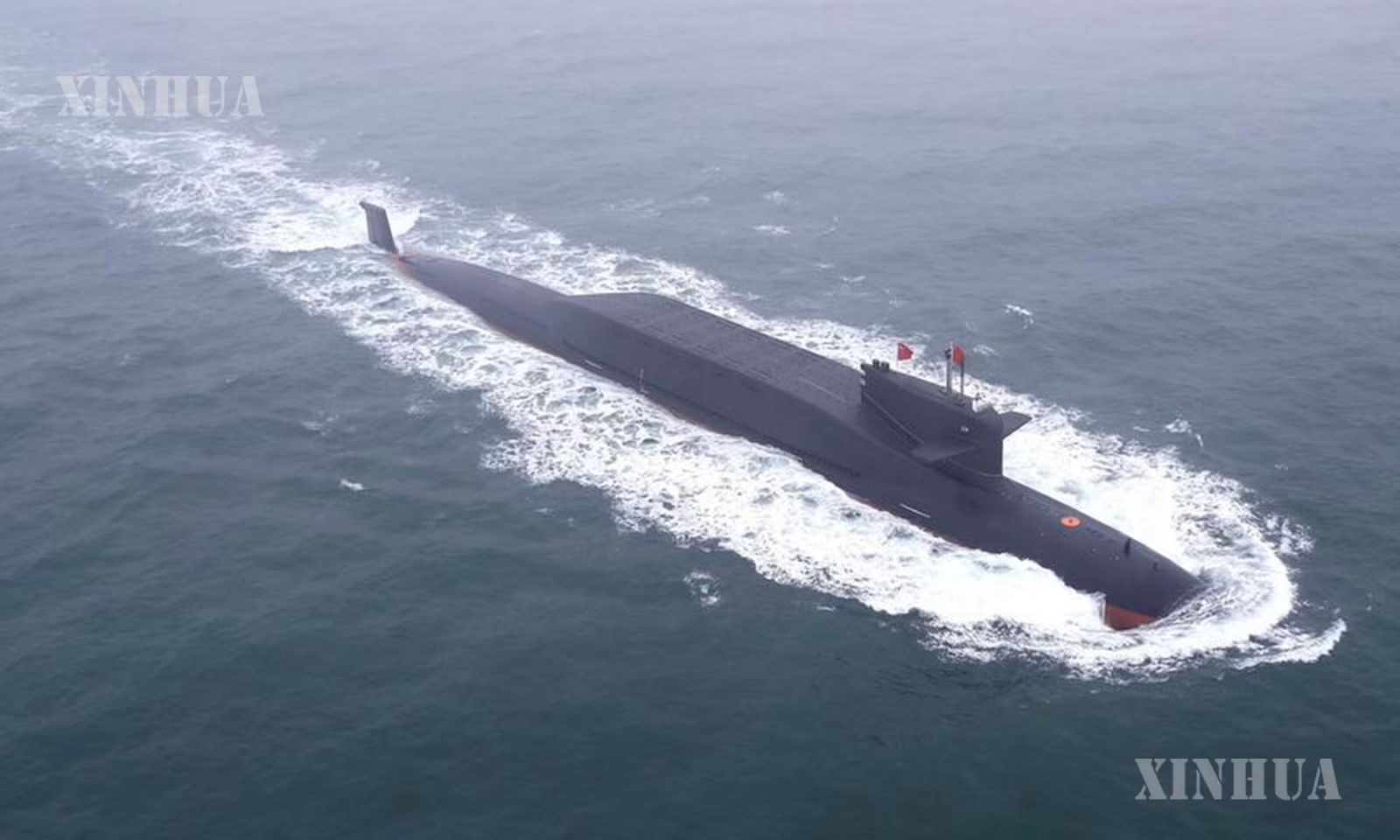
Photo caption 2: Aerial photo taken on April 23, 2019 shows a new type of nuclear submarine of the Chinese People's Liberation Army (PLA) Navy on the sea off Qingdao, east China's Shandong Province. (Xinhua/Ju Zhenhua)