ကွမ်ကျိုး၊ အောက်တိုဘာ ၅ ရက် (ဆင်ဟွာ)
တရုတ်နိုင်ငံနှင့် ဗြိတိန်နိုင်ငံရှိ သုတေသနအဖွဲ့အစည်းများမှ သုတေသီများသည် စွမ်းအင်သစ်သုံးယာဉ်များ (NEVs) အတွက် စွမ်းအင်ကူးပြောင်းမှု ထိရောက်မှုနှုန်း ၉၈ ရာခိုင်နှုန်းကျော်ရှိသည့် ကြိုးမဲ့အားသွင်းစနစ်တစ်ခုကို တီထွင်ဖန်တီးခဲ့သည်။
အဆိုပါစနစ်သည် မောင်းသူမဲ့ယာဉ်များ ကျယ်ကျယ်ပြန့်ပြန့်အသုံးပြုလာနိုင်မှုကို အထောက်အကူပြုရုံမျှမက ရထားပို့ဆောင်ရေး၊ စက်မှုလုပ်ငန်းသုံးစက်ရုပ်များနှင့် ဝေဟင်နိမ့်ပျံယာဉ်များကဲ့သို့သော ကဏ္ဍများတွင်လည်း အသုံးပြုနိုင်မည့် အလားအလာရှိကြောင်း သိရသည်။
လူကိုယ်တိုင်လုပ်ဆောင်ရန်မလိုဘဲ အလိုအလျောက်စနစ်ကို အပြည့်အဝသုံး၍ အားသွင်းနည်းဖြစ်သည် မောင်းသူမဲ့ယာဉ်များ စီးပွားဖြစ် စတင်အကောင်အထည်ဖော် အသုံးပြုနိုင်ရန် အဓိကလိုအပ်ချက်တစ်ရပ်ဖြစ်သည်။ ထိုသို့သော အားသွင်းစနစ်အတွက် သံလိုက်စက်ကွင်းအသုံးပြု၍ လျှပ်စစ်စွမ်းအင် လွှဲပြောင်းခြင်းစနစ်ကို အကောင်းဆုံးနည်းလမ်းတစ်ခုအဖြစ် ကျယ်ကျယ်ပြန့်ပြန့် မှတ်ယူကြသည်။
သို့သော် လက်ရှိအဓိကသုံးစွဲနေကြသည့် ferrite-core အသုံးပြုစနစ်များတွင် စွမ်းအင်ထိရောက်မှု၊ စွမ်းအင်သိပ်သည်းဆ၊ အပူဒဏ်ခံနိုင်ရည်ရှိမှုတို့နှင့်ပတ်သက်၍ စိန်ခေါ်မှုများ ရင်ဆိုင်နေရသည်။ စွမ်းအင်ထိရောက်မှုနှုန်း မြင့်မားမှုကို ထိန်းသိမ်းထားစဉ် စွမ်းအင်သိပ်သည်းဆနှင့် အပူဒဏ်ခံနိုင်ရည်ကို မြှင့်တင်နိုင်ခြင်းသည် ကြိုးမဲ့အားသွင်းနည်းပညာအတွက် အဓိက အဟန့်အတားတစ်ခု ဖြစ်သည်။
တရုတ်နိုင်ငံသိပ္ပံအကယ်ဒမီ (CAS) လက်အောက်ခံ တရုတ်နိုင်ငံတောင်ပိုင်း ကွမ်တုန်းပြည်နယ်ရှိ Dongguan Institute of Materials Science and Technology မှ သုတေသီများသည် ဟောင်ကောင်မြို့တော်တက္ကသိုလ်၊ ကိန်းဘရစ်ချ်တက္ကသိုလ်နှင့် CAS လက်အောက်ရှိ ရူပဗေဒသိပ္ပံဌာနတို့နှင့် ပူးပေါင်းကာ နာနိုပုံဆောင်ခဲ သတ္တုစပ်များကိုအခြေခံသည့် စွမ်းအင်သစ်သုံးယာဉ်များအတွက် ၂၀ ကီလိုဝပ်အဆင့်ရှိ ကြိုးမဲ့အားသွင်းစနစ်ကို တီထွင်ခဲ့သည်။ အဆိုပါစနစ်သည် စွမ်းအင်ကူးပြောင်းမှု ထိရောက်မှုနှုန်း ၉၈.၅၁ ရာခိုင်နှုန်း ရရှိခဲ့သည်။
သုတေသနစာတမ်းကို မကြာသေးမီက Nature Communications ဂျာနယ်တွင် ထုတ်ဝေခဲ့ပြီး ယင်းစာတမ်းတွင် ခုံးကျော်တံတားတစ်စင်း ပုံသဏ္ဌာန်ရှိသော သံလိုက်စက်ကွင်းအူတိုင် ဖွဲ့စည်းပုံအကြောင်း ဖော်ပြခဲ့သည်။ အဆိုပါဖွဲ့စည်းပုံသည် ကြိုးမဲ့အားသွင်းစနစ်များအတွက် ရေရှည်အပူချိန်မြင့်မားသည့် အခြေအနေတွင် အသုံးပြုနိုင်ရန် လိုအပ်ချက်များကို ဖြည့်ဆည်းပေးနိုင်ကြောင်းသိရသည်။
အဆိုပါ သုတေသနအဖွဲ့က ထုတ်လုပ်ထားသည့် သံလိုက်အူတိုင်ပြားသည် အလျား ၄၄၀ မီလီမီတာ၊ အနံ ၃၃၀ မီလီမီတာနှင့် အထူ ၄ မီလီမီတာရှိသည်။ ၎င်း၏အထူသည် ပုံမှန် ferrite အူတိုင်အသုံးပြုသည့်စနစ်များ၏ အထူထက် ထက်ဝက်သာရှိသော်လည်း ပိုမိုမြင့်မားသော စွမ်းအင်သိပ်သည်းဆကို သယ်ဆောင်နိုင်သည်။
အဆိုပါစနစ်၏ စွမ်းဆောင်ရည်ကို ပိုမိုကောင်းမွန်အောင် ဆက်လက်ပြင်ဆင်သွားမည်ဖြစ်ပြီး အားသွင်းမှု ထိရောက်နှုန်းကိုလည်း ထပ်မံမြှင့်တင်သွားမည်ဟု မျှော်လင့်ရသည်။ ထို့အပြင် Dongguan Institute of Materials Science and Technology သည် ယင်းနည်းပညာကို စက်မှုလုပ်ငန်းများတွင် စီးပွားဖြစ် လက်တွေ့အသုံးပြုနိုင်ရန် အတွက်လည်း ဆက်လက်လုပ်ဆောင်လျက်ရှိကြောင်း သိရသည်။ (Xinhua)
…………….
(English Version)
Researchers develop high-efficiency NEV wireless charging system
GUANGZHOU, Oct. 5 (Xinhua) -- Researchers from Chinese and British institutions have developed a wireless charging system for new energy vehicles (NEVs) with conversion efficiency exceeding 98 percent.
The system could support the large-scale use of autonomous vehicles and has potential in sectors such as rail transit, industrial robots and low-altitude aircraft.
A fully automated charging solution that requires no manual intervention is seen as key to the commercial rollout of autonomous vehicles. Inductive power transfer is widely regarded as an ideal route to such charging.
But mainstream ferrite-core solutions face challenges in efficiency, power density and thermal stability. Improving power density and thermal stability while maintaining high efficiency has been a core bottleneck for wireless charging technology.
Researchers from the Dongguan Institute of Materials Science and Technology in south China's Guangdong Province, under the Chinese Academy of Sciences (CAS), worked with the City University of Hong Kong, the University of Cambridge and the Institute of Physics under the CAS to develop a 20 kW-class wireless charging system for NEVs based on nanocrystalline alloys, achieving conversion efficiency of 98.51 percent.
Their study, recently published in Nature Communications, describes a magnetic core structure resembling an overpass that can meet the long-term high-temperature requirements of wireless charging.
The magnetic core strip produced by the team measures 440 mm long, 330 mm wide and 4 mm thick. Its thickness is only half that of traditional ferrite solutions, yet it can carry higher power density.
The system's performance is expected to be further optimized and charging efficiency improved. The Dongguan Institute of Materials Science and Technology is also pushing forward its industrial application.
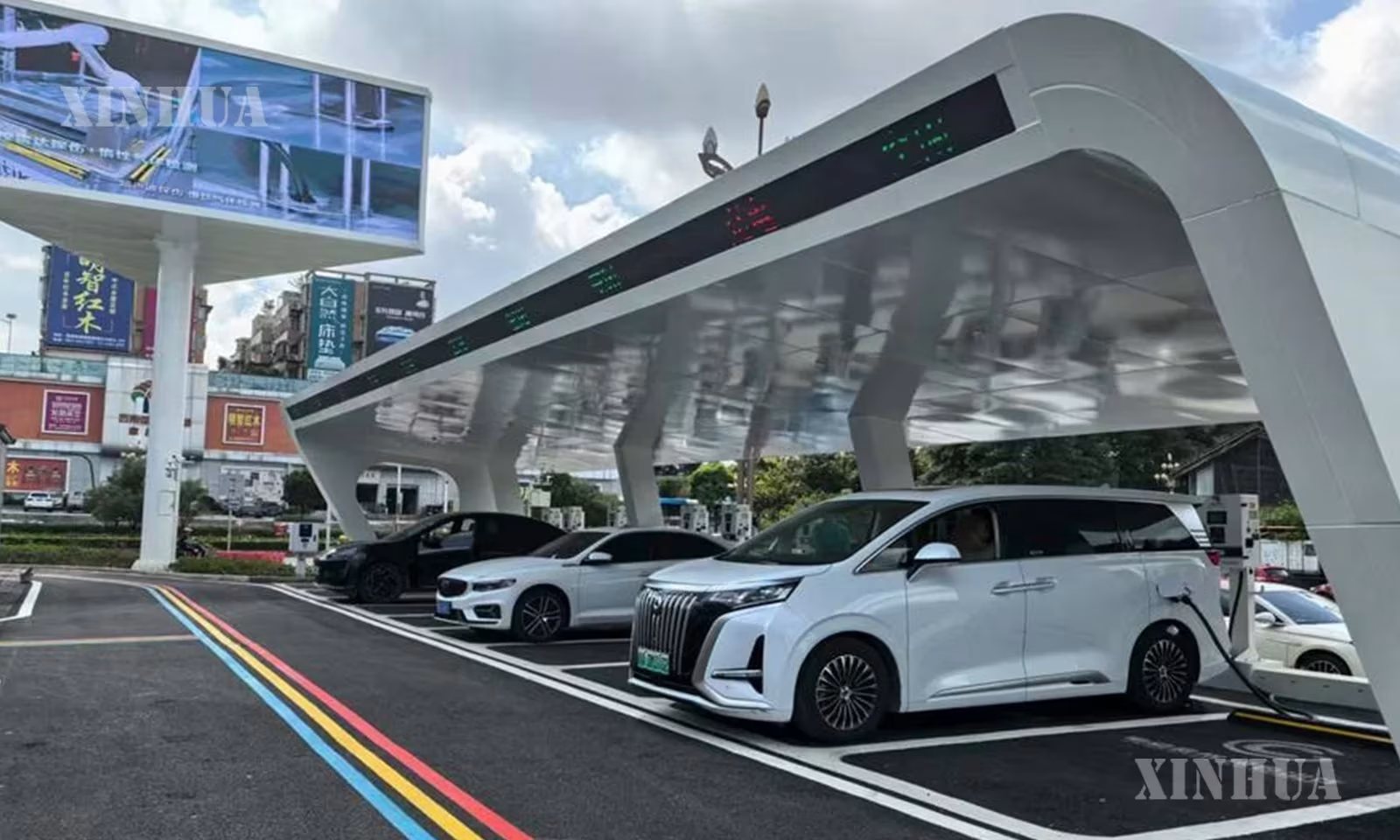
Photo caption: Electric vehicles are charged at the Quanhu Park station equipped with ultra-fast liquid-cooled chargers in Guiyang, southwest China's Guizhou Province, June 13, 2025. (Xinhua)


836c2dd84a851032ab0bf805a1b369906ac1ac38.article_card.avif)