စင်ကာပူ၊ နိုဝင်ဘာ ၂၆ ရက် (ဆင်ဟွာ)
စင်ကာပူနိုင်ငံရှိ မိဘ ထက်ဝက်နီးပါးအနေဖြင့် ဉာဏ်ရည်တု (AI) နည်းပညာကြောင့် ၎င်းတို့ကလေးများ၏ လွတ်လပ်စွာ တွေးခေါ်နိုင်စွမ်း ထိခိုက်မည်ကို စိုးရိမ်ပူပန်လျက်ရှိကြောင်း နိုဝင်ဘာ ၂၆ ရက်က ထုတ်ပြန်လိုက်သည့် လေ့လာမှုတစ်ခုအရ သိရသည်။
မိဘ ၉၅ ရာခိုင်နှုန်းက ၎င်းတို့၏ ကျောင်းနေအရွယ် ကလေးများသည် AI နည်းပညာအသုံးပြုထားသော ကိရိယာများ သို့မဟုတ် လုပ်ဆောင်ချက်များကို သီတင်းပတ်တစ်ပတ်လျှင် တစ်ကြိမ်ထက်မနည်း အသုံးပြုကြသည်ဟု ပြောကြားခဲ့ကြောင်း စင်ကာပူနိုင်ငံရှိ မိဘ ၅၂၀ ဦး ပါဝင်သည့် TrendLife လေ့လာမှုက တွေ့ရှိခဲ့သည်။
သို့သော် မိဘ ၄၄ ရာခိုင်နှုန်းကမူ AI ကြောင့် ၎င်းတို့ကလေးများ၏ ဝေဖန်ပိုင်းခြားတွေးခေါ်နိုင်စွမ်းနှင့် ပြဿနာများအား ကိုယ်တိုင်လွတ်လပ်စွာ ဖြေရှင်းနိုင်စွမ်းတို့ ထိခိုက်မည်ကို စိုးရိမ်ကြောင်း ထုတ်ဖော်ပြောကြားခဲ့ကြသည်။
နောက်ထပ် မိဘ ၃၇ ရာခိုင်နှုန်းကလည်း AI နည်းပညာသည် ကလေးများ၏ အာရုံစူးစိုက်နိုင်စွမ်းကြာချိန်နှင့် ရှုပ်ထွေးသောလုပ်ငန်းတာဝန်များကို လုပ်ဆောင်နိုင်စွမ်းအပေါ် သက်ရောက်မှုရှိလာနိုင်မည်ကို စိုးရိမ်ပူပန်လျက်ရှိကြသည်။
ထို့အပြင် စင်ကာပူနိုင်ငံရှိ မိဘ ၄၀ ရာခိုင်နှုန်းက AI ဆိုင်ရာ ကျွမ်းကျင်မှုများကို အဆက်မပြတ် တိုးတက်အောင် မလုပ်ဆောင်နိုင်ပါက ၎င်းတို့၏ မိသားစုများသည် လူမှုရေး၊ အလုပ်အကိုင် သို့မဟုတ် ငွေကြေးပိုင်းဆိုင်ရာကဏ္ဍများတွင် နောက်ကျကျန်ရစ်သွားမည်ကို အလွန်အမင်း စိုးရိမ်ပူပန်နေကြကြောင်းလည်း အဆိုပါလေ့လာမှုက တွေ့ရှိခဲ့သည်။ ၎င်းအချိုးအစားက အသက် ၂၅ နှစ်မှ ၃၄ နှစ်ကြား မိဘများအကြားတွင် ၄၆ ရာခိုင်နှုန်းအထိ မြင့်တက်ခဲ့ပြီး ယင်းမှာ လူငယ်မိသားစုများအနေဖြင့် AI ဦးဆောင်မည့် အနာဂတ်အတွက် ကြိုတင်ပြင်ဆင်ရန် အထူးစိတ်အားထက်သန်လျက်ရှိသည်ကို ညွှန်ပြကြောင်း သိရသည်။ (Xinhua)
.........................
(English Version)
44 pct Singaporean parents worry AI may affect children's critical thinking
SINGAPORE, Nov. 26 (Xinhua) -- Nearly half of Singaporean parents are concerned that artificial intelligence (AI) could undermine their children's independent thinking, a study showed on Thursday.
The TrendLife study, which involved 520 parents in Singapore, found that 95 percent said their school-age children use AI-powered tools or features at least once a week.
However, 44 percent expressed concern that AI could affect their children's critical thinking and ability to solve problems independently.
Another 37 percent were worried about its potential impact on children's attention spans and ability to engage with complex tasks.
The study also found that 40 percent of Singaporean parents were deeply concerned that their families could be left behind socially, professionally or financially if they failed to continuously develop their AI skills. The proportion rose to 46 percent among parents aged 25 to 34, suggesting that younger families are particularly keen to prepare for an AI-driven future. ■
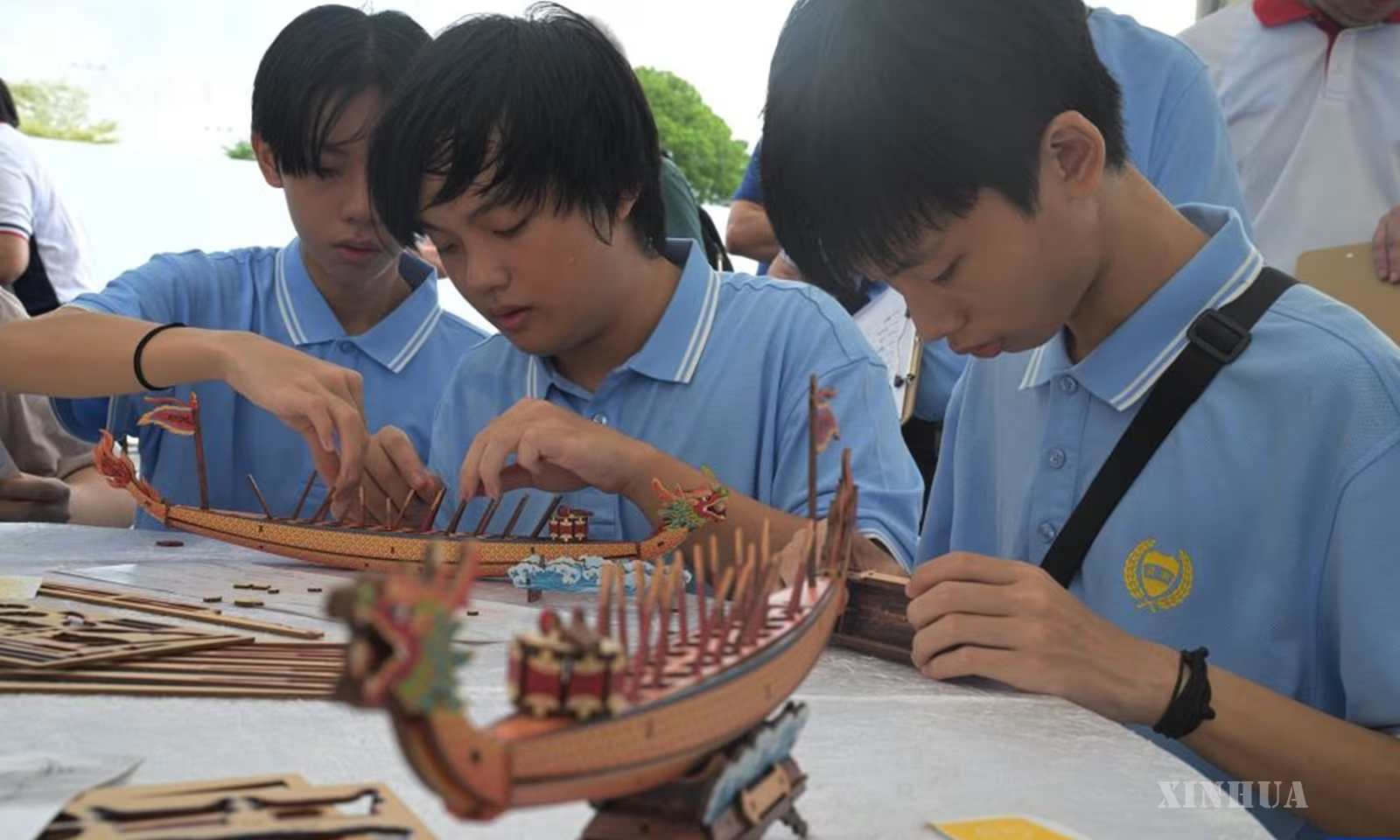
Photo caption: People compete in assembling dragon boat models in Singapore on June 20, 2026. (Photo by Then Chih Wey/Xinhua)