ဂျိုဟန်းနက်စ်ဘာ့ဂ်၊ စက်တင်ဘာ ၁၃ ရက် (ဆင်ဟွာ)
ကမ္ဘာ့တောင်ဘက်ခြမ်းနိုင်ငံများ ဦးမော့လာမှုက ကမ္ဘာ့ဩဇာအာဏာ ဖွဲ့စည်းပုံအခင်းအကျင်းကို ပြန်လည်ပုံဖော်လျက်ရှိသည်။ ၂၀၀၆ ခုနှစ်တွင် ထွန်းသစ်စစီးပွားရေးနိုင်ငံများဖြင့် ဖွဲ့စည်းထားသော အရွယ်အစား အသင့်အတင့်ရှိ အဖွဲ့အစည်းတစ်ခုအဖြစ် အစပြုခဲ့ကာ ၂၀၁၁ ခုနှစ်တွင် တောင်အာဖရိကနိုင်ငံ တရားဝင်ပါဝင်လာခဲ့သည့် ယင်းအဖွဲ့အစည်းသည် ကမ္ဘာ့တိုက်ကြီးလေးတိုက်မှ အဖွဲ့ဝင် ၁၁ နိုင်ငံပါဝင်သည့် အဖွဲ့အစည်းအဖြစ် အင်အားကြီးထွားလာခဲ့ပြီး တက်ကြွစွာ ပူးပေါင်းဆောင်ရွက်လျက်ရှိသော မိတ်ဖက်နိုင်ငံများ အဝန်းအဝိုင်းသည်လည်း ပိုမိုတိုးပွားလာခဲ့သည်။
ထိုသို့ စိတ်ဝင်စားမှု တိုးပွားလာခြင်းက ကိုယ်တွေ့ဖြစ်စဉ်တစ်ခုကို ဖော်ပြလျက်ရှိကာ ယင်းသည် ခေတ်သစ်သမိုင်းတွင် ပထမဆုံးအကြိမ်အဖြစ် အဖွဲ့၌ ပါဝင်လိုသူ အများအပြားသည် အနောက်နိုင်ငံများ ဦးဆောင်သော အဖွဲ့အစည်းထဲသို့ ဝင်ရောက်ရန်မဟုတ်ဘဲ မည်သည့်ဩဇာအာဏာ တစ်ခုတည်းကမျှ ကမ္ဘာလုံးဆိုင်ရာ ဖွံ့ဖြိုးတိုးတက်မှု စည်းမျဉ်းမူဘောင်များကို သတ်မှတ်ပိုင်ခွင့်မရှိသင့်ဟူသော အခြေခံမူကို ရှင်းလင်းပြတ်သားစွာ အခြေခံတည်ဆောက်ထားသည့် အဖွဲ့အစည်းတစ်ခုထဲသို့ ဝင်ရောက်ရန် ကြိုးပမ်းနေခြင်းဖြစ်သည်။
အာဖရိကအတွက်မူ ယင်းသည် သာမန် ဖွံ့ဖြိုးတိုးတက်မှုတစ်ခု မဟုတ်ပေ။ ၎င်းသည် နည်းလမ်းအသွယ်သွယ်ဖြင့် အိမ်ပြန်လာခြင်းဖြစ်သည်။
တောင်အာဖရိကသည် BRICS အဖွဲ့တည်ထောင်သူ အဖွဲ့ဝင်နိုင်ငံများထဲတွင် ပါဝင်သော်လည်း ၂၀၂၃ ခုနှစ် BRICS ထိပ်သီးအစည်းအဝေးက အဆိုပါအဖွဲ့အစည်း၌ အာဖရိကတိုက်၏ အကျိုးစီးပွားဆက်နွှယ်မှု ပိုမိုနက်ရှိုင်းလာသည်ကို ညွှန်ပြခဲ့သည်။ အီဂျစ်နိုင်ငံနှင့် အီသီယိုးပီးယားနိုင်ငံတို့သည် ယခုအခါ တောင်အာဖရိကနိုင်ငံနှင့်အတူ တင်းပြည့်အဖွဲ့ဝင်များဖြစ်လာသည့်အတွက် အာဖရိကသည် ကမ္ဘာ့လူဦးရေ၏ ထက်ဝက်နီးပါးနှင့် ကမ္ဘာ့ကုန်ထုတ်လုပ်မှု၏ တိုးပွားလာသော အချိုးအစားကို စုပေါင်းကိုယ်စားပြုသည့် စားပွဲဝိုင်း၌ ထိုင်ခုံနေရာသုံးနေရာ ရရှိထားပြီဖြစ်သည်။
ယင်းသည် စစ်ပြီးခေတ် ကမ္ဘာ့စည်းစနစ်တွင် အာဖရိကနိုင်ငံများအနေဖြင့် အခြားနေရာများတွင် ဆုံးဖြတ်ချက်ချမှတ်မှုများ၏ ဘေးပန်းမှ အသနားခံတောင်းဆိုသူများအဖြစ်သာ မဟုတ်တော့ဘဲ စည်းမျဉ်းများကို ကိုယ်တိုင် ပူးတွဲပါဝင်ရေးဆွဲသူများ ဖြစ်လာကြသည့် ကြုံတောင့်ကြုံခဲ အဖြစ်အပျက်တစ်ခုပင်ဖြစ်သည်။ (Xinhua)
သတင်းအပြည့်အစုံကို ဖော်ပြပါလင့်ခ်မှတစ်ဆင့် ဝင်ရောက်ဖတ်ရှုနိုင်ပါသည်။
https://english.news.cn/20260913/79d9bb3c460e42c3a14cc897c3a834db/c.html
..................................
(English Version)
Column: How BRICS is reshaping the Global South's place in the world
The rise of the Global South is reshaping the architecture of global power. What began in 2006 as a modest grouping of emerging economies, with South Africa officially joining in 2011, has grown into an 11-member grouping spanning four continents, with a growing circle of partner countries actively engaging in the cooperation.
That growing interest tells its own story: for the first time in living memory, many of those seeking to join are not looking for entry into a Western-led club, but into an institution built, explicitly, around the principle that no single power should dictate the terms of global development.
For Africa, this is not a peripheral development. It is, in many ways, a homecoming.
While South Africa was among the founding members of BRICS, the 2023 BRICS summit signaled a deepening of the African continent's stake in the grouping. With Egypt and Ethiopia now full members alongside South Africa, Africa has three seats at a table that collectively represents nearly half the world's population and a growing share of global output.
This is a rare thing in the postwar order: to have an institution in which African states are not merely petitioners at the margins of decisions made elsewhere, but co-architects of the rules themselves.
https://english.news.cn/20260913/79d9bb3c460e42c3a14cc897c3a834db/c.html
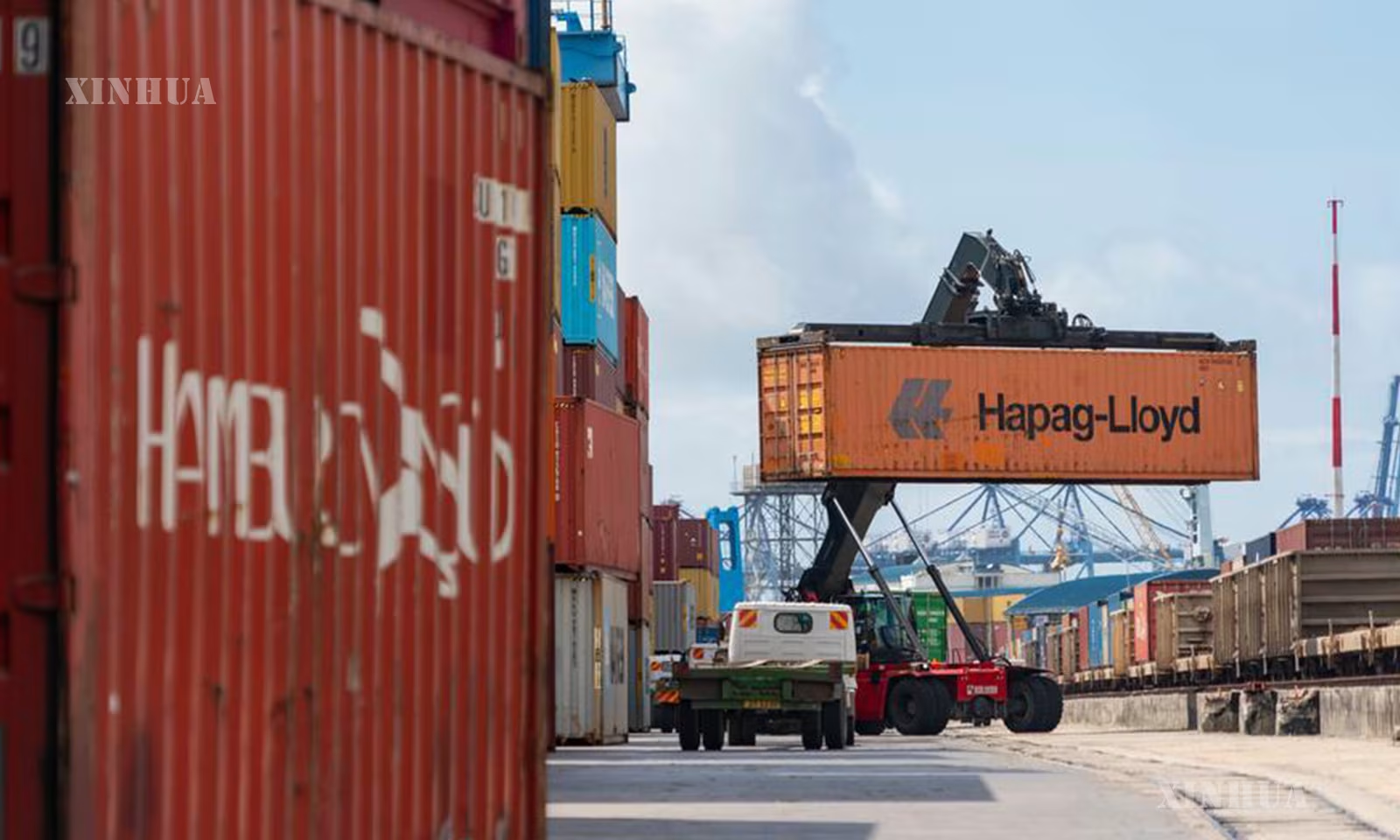
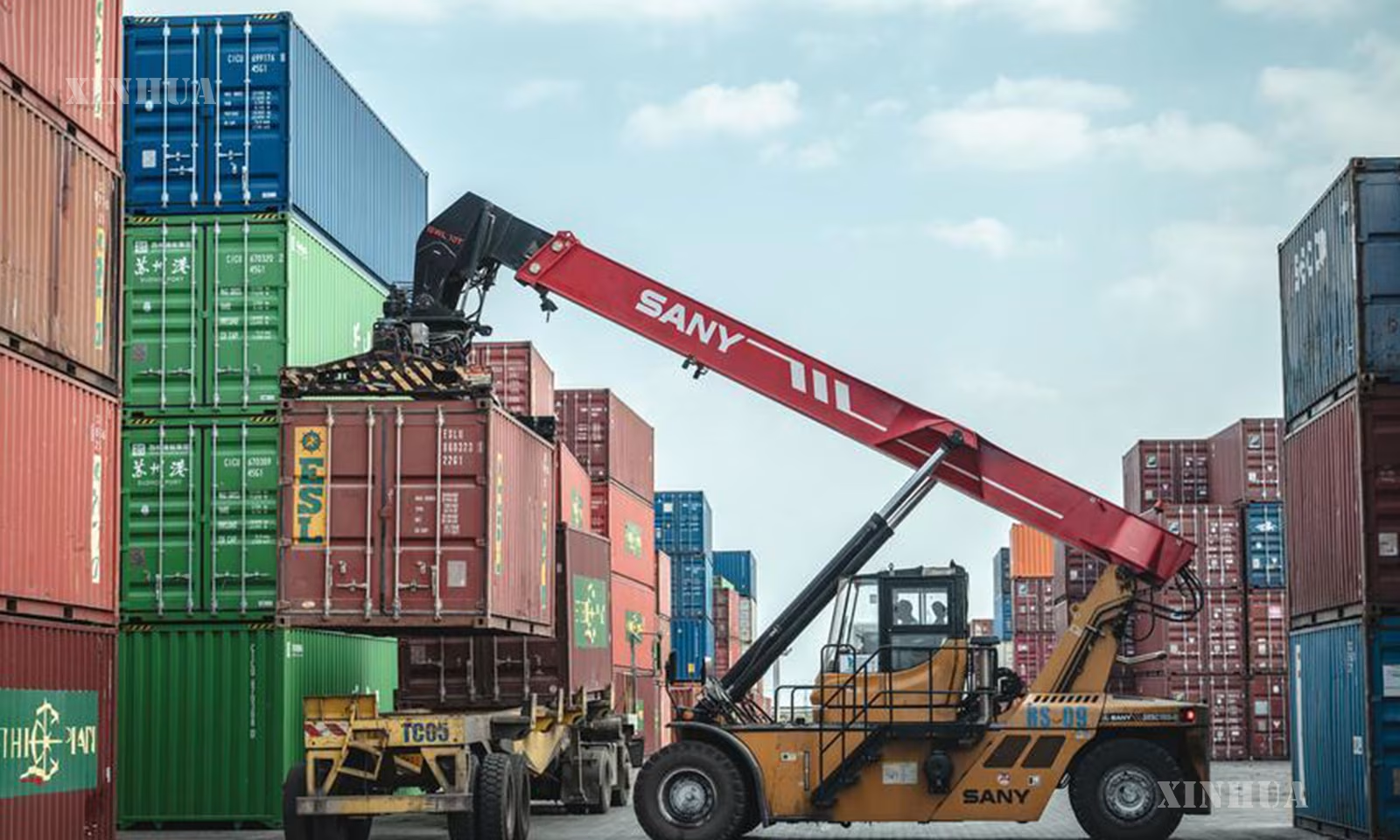
Photo caption 1: A crane hoists a container at Port Reitz Station on the Mombasa-Nairobi Standard Gauge Railway (SGR) in Mombasa, Kenya, July 9, 2026. (Xinhua/Xie Jianfei)
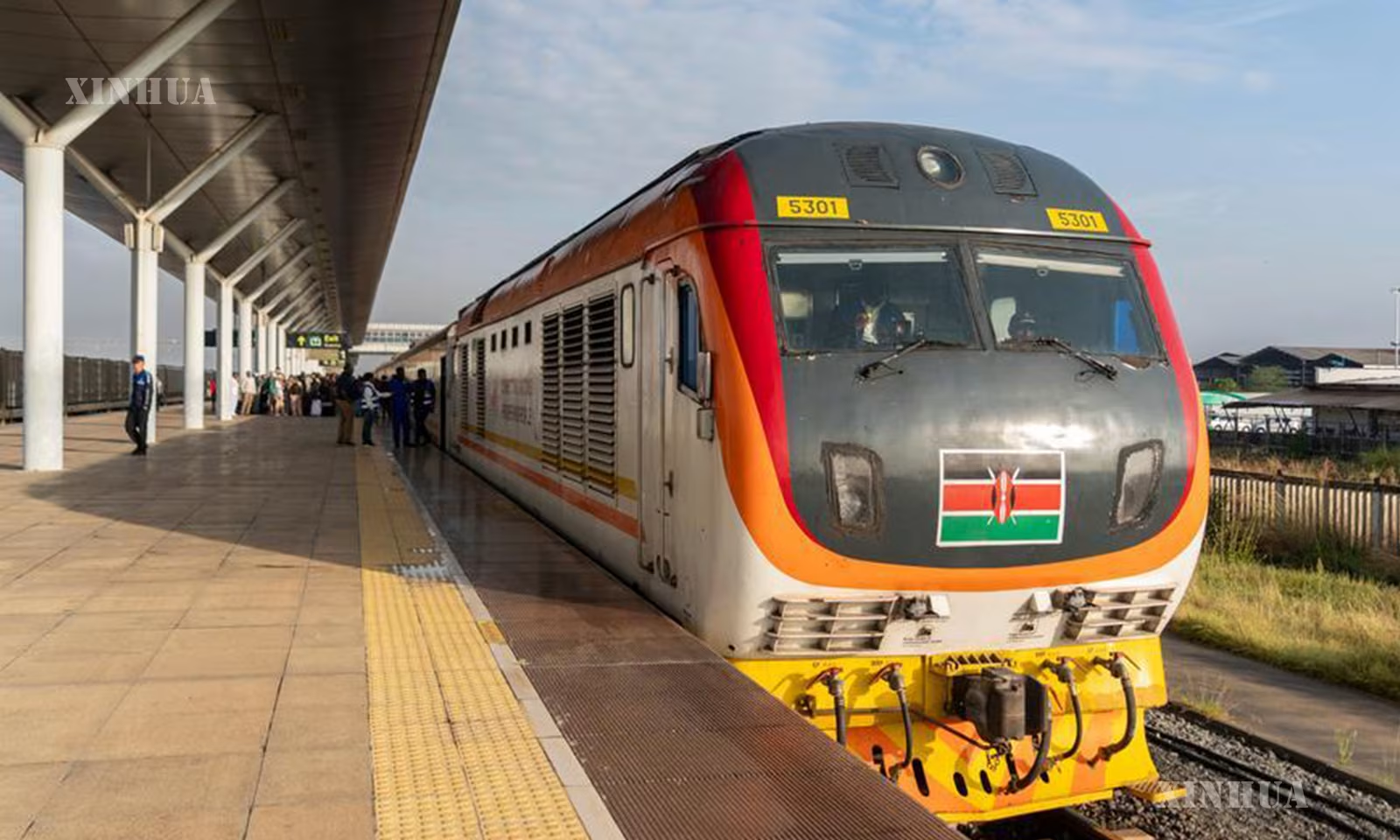
Photo caption 2: Passengers board a train at the Nairobi Terminus of the Mombasa-Nairobi railway in Nairobi, Kenya, Feb. 17, 2026. (Xinhua/Xie Jianfei)