ပေကျင်း၊ စက်တင်ဘာ ၉ ရက် (ဆင်ဟွာ)
စက်ရုံ အလုပ်ရုံများတွင် ကုန်ပစ္စည်းများအတွက် ကုန်ကျစရိတ်များကို တိုင်းတာသည့် ထုတ်လုပ်မှု အညွှန်းကိန်း (PPI) သည် ၂၀၂၅ ခုနှစ် သြဂုတ်လနှင့် နှိုင်းယှဥ်ပါက ၃.၈ ရာခိုင်နှုန်း မြင့်တက်လာသည်ဟု တရုတ်အမျိုးသားစာရင်းအင်းဗျူရို (NBS) က စက်တင်ဘာ ၉ ရက်တွင် ထုတ်ပြန်ခဲ့သည်။
လအလိုက် အခြေခံအားကြည့်ပါက ဇူလိုင်လအတွင်း ထုတ်လုပ်မှု အညွှန်းကိန်းသည် ၀.၇ ရာခိုင်နှုန်းကို ကျဆင်းခဲ့ပြီး သြဂုတ်လတွင် ၀.၄ ရာခိုင်နှုန်းထိ ပြန်လည်မြင့်တက်ခဲ့ကြောင်း အမျိုးသားစာရင်းအင်းဗျူရိုက ထုတ်ပြန်သည့် အချက်အလက်များက ဖော်ပြခဲ့သည်။
လအလိုက် ထုတ်လုပ်မှု အညွှန်းကိန်းများနှင့် ပတ်သက်ပြီး ရှင်းလင်းပြောကြားရာတွင် ကုန်ကြမ်း ဈေးနှုန်းများတက်ခြင်း၊ အထူးသဖြင့် နိုင်ငံတကာရေနံစိမ်းနှင့် သံမဟုတ်သောသတ္တုဈေးနှုန်းများ မြင့်မားလာခြင်းကြောင့် ပြည်တွင်းစက်မှုလုပ်ငန်းများတွင် ဈေးနှုန်းများ မြင့်တက်ခဲ့ပြီး ကုန်ချောထုတ်လုပ်မှု၊ တန်ဖိုးမြင့် ထုတ်ကုန်များ ထုတ်လုပ်မှုတို့ကြောင့် ကဏ္ဍအချို့တွင် ဝယ်လိုအားနှင့် ဈေးနှုန်းများ မြင့်တက်ခဲ့ကြောင်း NBS မှ စာရင်းအင်းပညာရှင် Dong Lijuan က ပြောကြားခဲ့သည်။
ရာသီဥတုသည်လည်း အညွှန်းကိန်း မြင့်တက်ရသည့် အကြောင်းအရင်းတစ်ခုဖြစ်ခဲ့ပြီး၊ နွေရာသီတွင် လျှပ်စစ်နှင့် ကျောက်မီးသွေး ဝယ်လိုအား ပိုမိုမြင့်မားလာကာ အပူချိန်မြင့်မားခြင်းနှင့် မိုးရွာသွန်းမှု များပြားခြင်းကြောင့် ဆောက်လုပ်ရေးလုပ်ငန်းနှင့် ဆက်စပ် စက်မှုလုပ်ငန်းများတွင် ဈေးနှုန်းများ မြင့်တက်ခဲ့ကြောင်း သိရသည်။
စက်တင်ဘာလ ၉ ရက်က ထုတ်ပြန်ခဲ့သော အချက်အလက်များအရ ငွေကြေးဖောင်းပွမှုကြောင့် တရုတ်နိုင်ငံ၏ သြဂုတ်လအတွင်း စားသုံးသူအညွှန်းကိန်းမှာ ယခင်နှစ်ကာလတူထက် ၀.၈ ရာခိုင်နှုန်း မြင့်တက်လာကြောင်း သိရသည်။ (Xinhua)

……………………………
(English version)
China's PPI up 3.8 pct in August
BEIJING, Sept. 9 (Xinhua) -- China's producer price index (PPI), which measures costs for goods at the factory gate, went up 3.8 percent year on year in August, the National Bureau of Statistics (NBS) said Wednesday.
On a month-on-month basis, the PPI reversed a 0.7-percent decline in July to rise 0.4 percent in August, NBS data showed.
Explaining the month-on-month movement, NBS statistician Dong Lijuan said imported price pressures, particularly higher international crude oil and nonferrous metal prices, pushed up prices in some domestic industries, while industrial transformation and upgrading boosted demand and prices in some emerging sectors.
Seasonal factors also played a role, with stronger summer demand for electricity and coal lifting prices in related sectors, while high temperatures and rainfall weighed on construction activity and prices in related industries.
Wednesday's data also showed that China's consumer price index, a key gauge of inflation, rose 0.8 percent year on year in August.
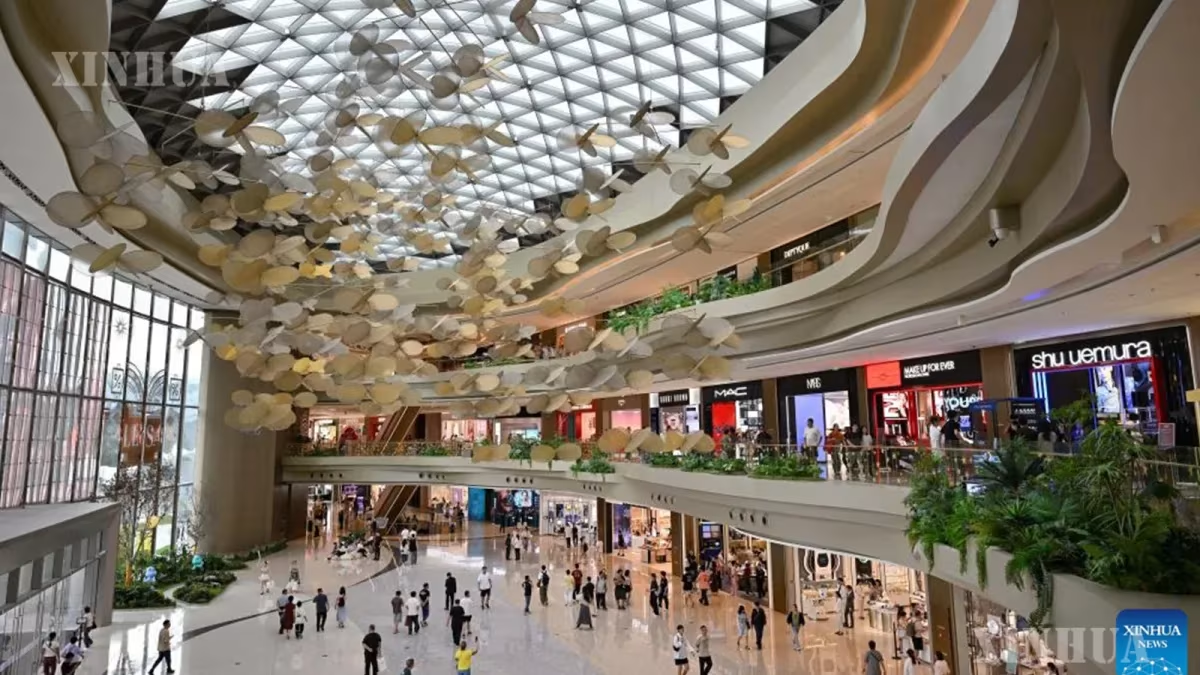
Photo caption 1-This photo taken on Nov. 30, 2025 shows a duty-free shopping mall in Sanya, south China's Hainan Province. (Xinhua/Guo Cheng)
Photo caption 2-Customers shop at a duty-free shopping mall in Sanya, south China's Hainan Province on Nov. 30, 2025. (Xinhua/Guo Cheng)