လန်ကျိုး၊ ဩဂုတ် ၁၄ ရက် (ဆင်ဟွာ)
တရုတ်နိုင်ငံ အနောက်မြောက်ပိုင်းရှိ ရှေးဟောင်းပိုးလမ်းမကြီးပေါ်က မြို့တစ်မြို့ဖြစ်သည့် သွန်းဟွမ်မြို့၌ မိုးရွာသွန်းမှုကိုပင် သမ္မတရှီကျင့်ဖိန်က အလေးအနက်ထားလေ့ရှိသည်။
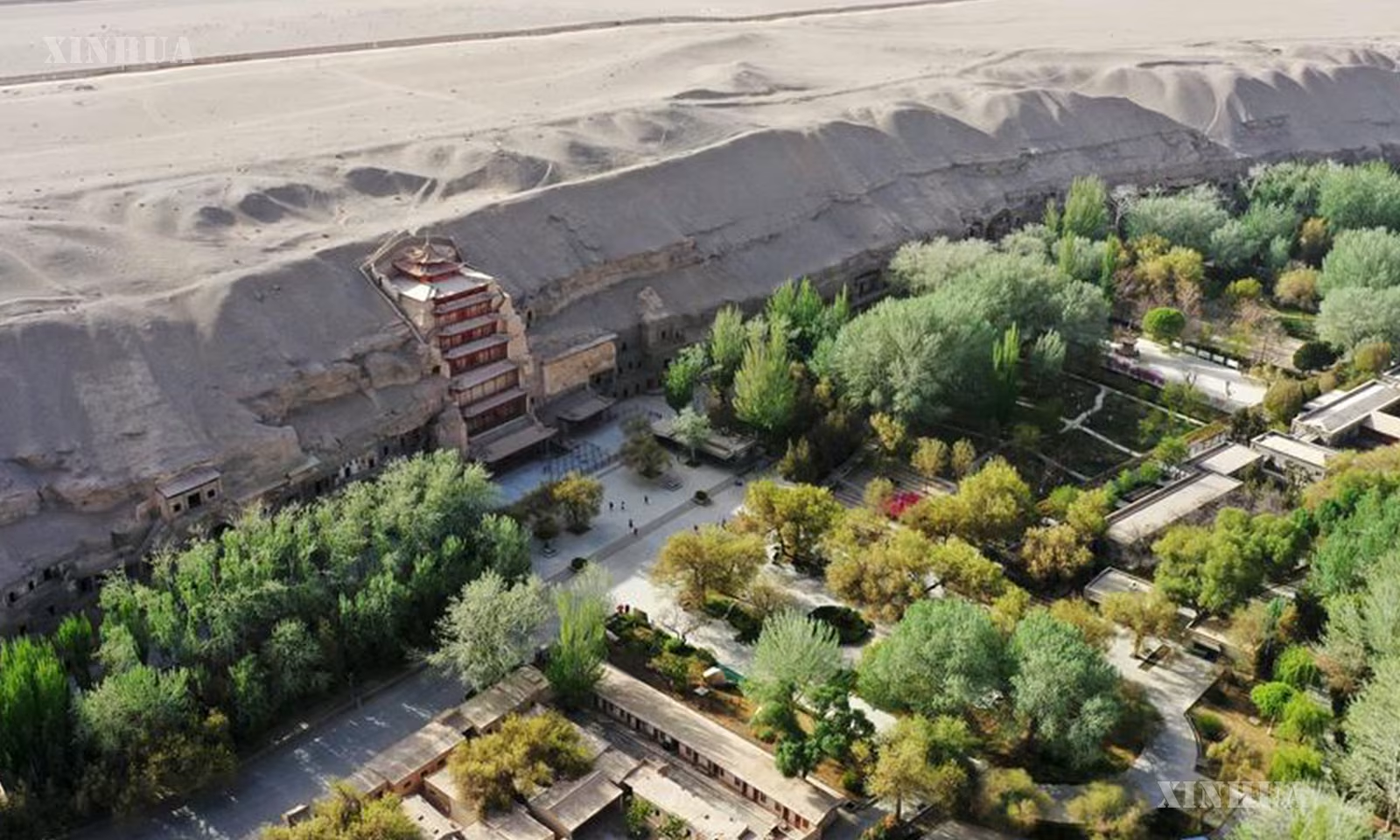
အဆိုပါမြို့သည် ၄ ရာစုကတည်းက တည်ရှိခဲ့သော ယူနက်စကို ကမ္ဘာ့အမွေအနှစ်နေရာဖြစ်သည့် မော့ကောင်းလိုဏ်ဂူများ တည်ရှိရာ မြို့လည်းဖြစ်သည်။ ထိုဒေသ၏ ခြောက်သွေ့သော ရာသီဥတုက ဂိုဘီသဲကန္တာရ အစွန်အဖျားရှိ ကျောက်ထရံများတွင် ရုပ်လုံးပေါ်လာသည့် လိုဏ်ဂူရာပေါင်းများစွာထဲမှ နံရံဆေးရေးပန်းချီများ၊ ရုပ်တုများနှင့် ဗုဒ္ဓဘာသာဆိုင်ရာ အနုလက်ရာ ရတနာသိုက်ကြီးအား အဓွန့်ရှည်တည်တံ့စေရန် အထောက်အကူပြုခဲ့သည်။ သို့သော် အထူးသဖြင့် နွေရာသီတွင် မိုးရွာသွန်းမှု မြင့်တက်လာခြင်းနှင့် စိုထိုင်းဆ မြင့်တက်လာခြင်းတို့ကြောင့် ထိရှလွယ်သော အဆိုပါအမွေအနှစ်ပစ္စည်းများမှာ ပိုမိုလျင်မြန်စွာ ယိုယွင်းပျက်စီးလာနိုင်သည်။
၂၀၁၉ ခုနှစ် ဩဂုတ်လက အဆိုပါ လိုဏ်ဂူများသို့ လာရောက်လည်ပတ်စဉ် သမ္မတရှီက မကြာသေးမီနှစ်များအတွင်း သွန်းဟွမ်မြို့၌ မိုးပိုမိုရွာသွန်းလာသလောဟု ကျွမ်းကျင်သူများအား မေးမြန်းခဲ့သည်။ ထို့နောက် ၎င်းက နောက်ထပ်စိန်ခေါ်မှုတစ်ခုဖြစ်သည့် လာရောက်လည်ပတ်သူဦးရေ တိုးပွားလာမှုနှင့် လိုဏ်ဂူများကို ထိန်းသိမ်းကာကွယ်ရန် လိုအပ်မှုတို့အကြား မည်သို့ဟန်ချက်ညီအောင် ဆောင်ရွက်မည်နည်း ဆိုသည်ကိုလည်း မေးမြန်းဆွေးနွေးခဲ့သည်။
"သမ္မတရှီရဲ့ မေးခွန်းတွေက ရှေးဟောင်းအမွေအနှစ်တွေနဲ့ ပတ်သက်ပြီး အရေးအကြီးဆုံး စိန်ခေါ်မှုတွေကို ဖြေရှင်းပေးခဲ့ပါတယ်" ဟု သွန်းဟွမ်အကယ်ဒမီ၏ ဂုဏ်ထူးဆောင်ဥက္ကဋ္ဌ ဖန်ကျင်ရှီး က ပြန်လည်ပြောပြခဲ့သည်။
မော့ကောင်းလိုဏ်ဂူများကို ၁၉၈၇ ခုနှစ်တွင် ယူနက်စကို ကမ္ဘာ့အမွေအနှစ်စာရင်းသို့ ထည့်သွင်းလိုက်ချိန်မှစ၍ လာရောက်လည်ပတ်သူအရေအတွက်မှာ ပုံမှန်တိုးလာခဲ့ရာ လိုဏ်ဂူများအတွင်းရှိ သဘာဝပတ်ဝန်းကျင်အပေါ် ဖိအားပိုမိုများပြားလာစေခဲ့သည်။
“ကမ္ဘာ့အမွေအနှစ်နေရာတစ်ခုအတွက် ရေရှည်တည်တံ့အောင် ထိန်းသိမ်းကာကွယ်ခြင်းက အရေးအကြီးဆုံးဖြစ်ပြီး ခရီးသွားလုပ်ငန်းက ဒုတိယနေရာမှာရှိပါတယ်” ဟု သမ္မတရှီက ပြောကြားခဲ့ပြီး ထိန်းသိမ်းကာကွယ်ခြင်းထက် စီးပွားရေးအကျိုးအမြတ်ကို လုံးဝရှေ့တန်းမတင်သင့်ဟုလည်း အလေးပေးပြောကြားခဲ့သည်။
သမ္မတရှီက သွန်းဟွမ်မြို့ကို အလေးထားအာရုံစိုက်ခြင်းမှာ တရုတ်နိုင်ငံ၏ နှစ်ထောင်ပေါင်းများစွာ သက်တမ်းရှိသော ယဉ်ကျေးမှုအမွေအနှစ်များကို ကာကွယ်စောင့်ရှောက်မည့် ကျယ်ပြန့်သော ကတိကဝတ်၏ တစ်စိတ်တစ်ဒေသဖြစ်သည်။ လွန်ခဲ့သောနှစ်များအတွင်း ၎င်းသည် ထိန်းသိမ်းစောင့်ရှောက်ရေး လုပ်ငန်းများကို ကိုယ်တိုင်ကြည့်ရှုစစ်ဆေးရန် နိုင်ငံတစ်ဝန်းရှိ အမွေအနှစ်နေရာများသို့ သွားရောက်ကာ ယဉ်ကျေးမှု အမွေအနှစ်ပစ္စည်းများ၊ ရှေးဟောင်းသုတေသန တွေ့ရှိချက်များနှင့် ရိုးရာယဉ်ကျေးမှုတို့ကို ထိန်းသိမ်းကာကွယ်ရန် အကြိမ်ကြိမ် တိုက်တွန်းမှာကြားခဲ့သည်။
“ကျွန်တော်တို့ရဲ့ သမိုင်းကြောင်းနဲ့ ယဉ်ကျေးမှုဆိုင်ရာ အမွေအနှစ်တွေကို ကာကွယ်ထိန်းသိမ်းပြီး မျိုးဆက်သစ်တွေကို လက်ဆင့်ကမ်းပေးတာဟာ သမိုင်းကြောင်းနဲ့ ပြည်သူလူထုအတွက် တာဝန်တစ်ရပ်ပါပဲ” ဟု ရှီက ပြောသည်။
သမ္မတရှီအတွက်မူ တရုတ်နိုင်ငံ၏ ယဉ်ကျေးမှုအမွေအနှစ်များသည် အတိတ်ကာလကို တစေ့တစောင်း လေ့လာကြည့်ရှုရုံမျှသာ မဟုတ်ဘဲ ပစ္စုပ္ပန်ကို ဆက်လက်ပုံဖော်နေပြီး အနာဂတ်ကိုလည်း စေ့ဆော်မှုပေးသော အရာများဖြစ်ပေသည်။
သွန်းဟွမ်မြို့သည် ပိုးလမ်းမကြီး၏ လမ်းဆုံလမ်းခွ၌ ရာစုနှစ်များစွာတိုင်အောင် တည်ရှိခဲ့ကာ ကုန်သည်များ၊ သာသနာပြုပုဂ္ဂိုလ်များ၊ အနုပညာရှင်များနှင့် ခရီးသွားများ စုဝေးရာနေရာဖြစ်သည့်အတွက် ၎င်းတို့နှင့်အတူ အာရှတစ်ခွင်မှ အတွေးအခေါ်များ၊ ဘာသာအယူဝါဒများနှင့် အနုပညာ ဓလေ့ထုံးတမ်းများကိုလည်း ယူဆောင်လာခဲ့ကြသည်။ (Xinhua)
သတင်းအပြည့်အစုံကို ဖော်ပြပါလင့်ခ်မှတစ်ဆင့် ဝင်ရောက်ဖတ်ရှုနိုင်ပါသည်။
https://english.news.cn/20260813/a045f1a465a041e3b6dbc076781caf33/c.html
..............................................................
(English Version)
Xi Story: The rain, the caves and the quest to preserve Mogao Grottoes
LANZHOU, Aug. 13 (Xinhua) -- In Dunhuang, an ancient Silk Road city in northwest China, even rain has caught the attention of Chinese President Xi Jinping.
The city is home to the Mogao Caves, a UNESCO World Heritage site dating back to the 4th century. The region's arid climate has helped preserve the murals, sculptures and a vast trove of Buddhist art in hundreds of grottoes carved into cliffs on the edge of the Gobi Desert. But increased rainfall and rising humidity, particularly in summer, can accelerate the deterioration of the fragile heritage.
During a visit to the caves in August 2019, Xi asked experts whether Dunhuang had been seeing more rain in recent years. He then turned to another challenge: how to balance growing visitor numbers with the need to protect the grottoes.
"His questions addressed the most pressing challenges facing the heritage," Fan Jinshi, honorary president of Dunhuang Academy, recalled.
Since the Mogao Caves were inscribed on the UNESCO World Heritage List in 1987, visitor numbers have risen steadily, increasing the strain on the environment inside the grottoes.
"For a World Heritage site, conservation comes first. Tourism comes second," Xi said, emphasizing that economic benefits should never take precedence over preservation.
The attention Xi has paid to Dunhuang is part of a broader commitment to protecting China's millennia-old cultural heritage. Over the years, he has repeatedly called for the protection of cultural relics, archaeological discoveries and traditional culture, while visiting heritage sites across the country to witness conservation efforts firsthand.
"Protecting and passing on our historical and cultural heritage is a responsibility to history and to the people," Xi has said.
To Xi, China's cultural legacy is not simply a glimpse into the past. It continues to shape the present and inspire the future.
For centuries, Dunhuang stood at the crossroads of the Silk Road, where merchants, monks, artists and travelers converged, bringing with them ideas, faiths and artistic traditions from across Asia.
https://english.news.cn/20260813/a045f1a465a041e3b6dbc076781caf33/c.html
English Caption
An aerial drone photo taken on April 25, 2023 shows the Mogao Caves in Dunhuang, northwest China's Gansu Province. (Xinhua/Chen Bin)