
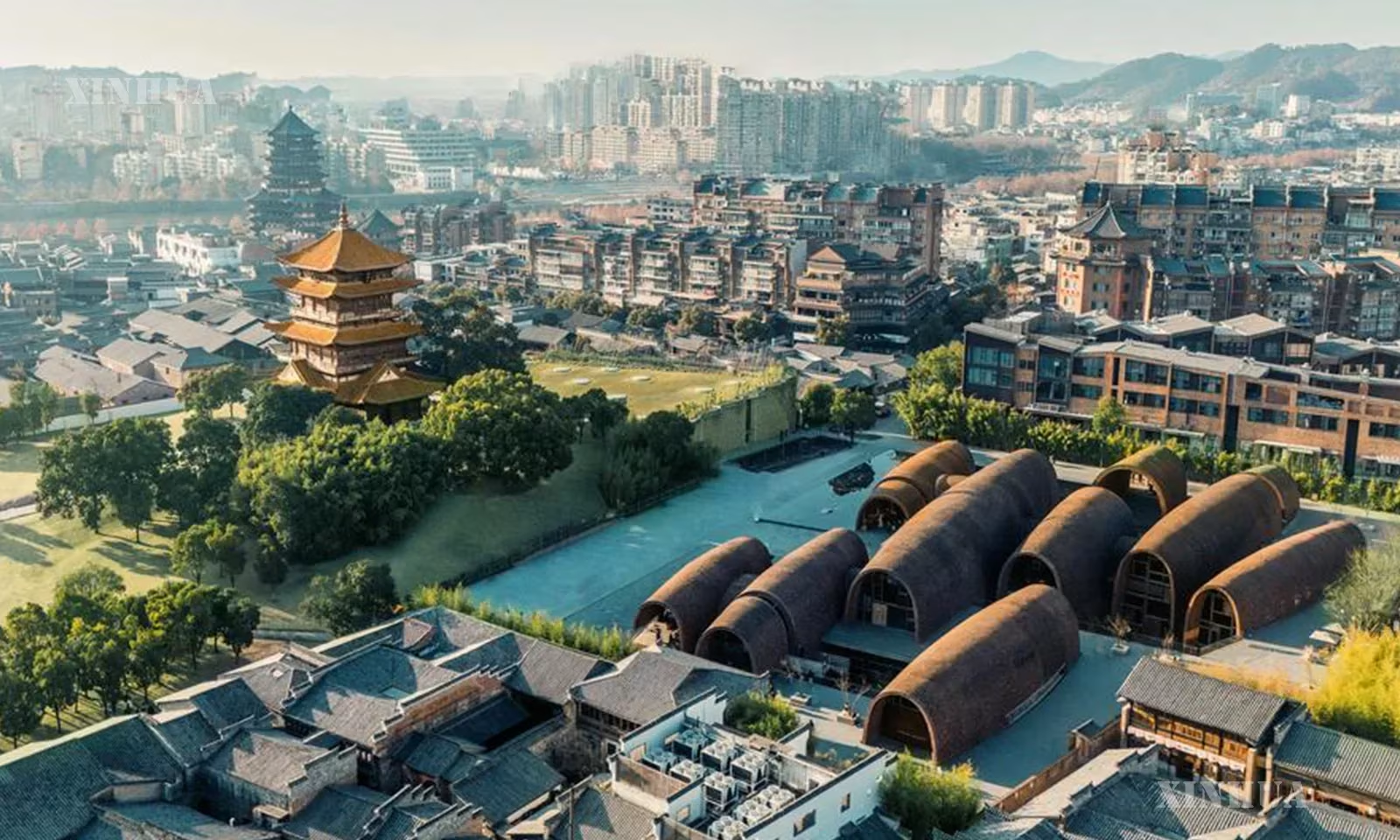
ပေကျင်း၊ ဇူလိုင် ၃၁ ရက် (ဆင်ဟွာ)
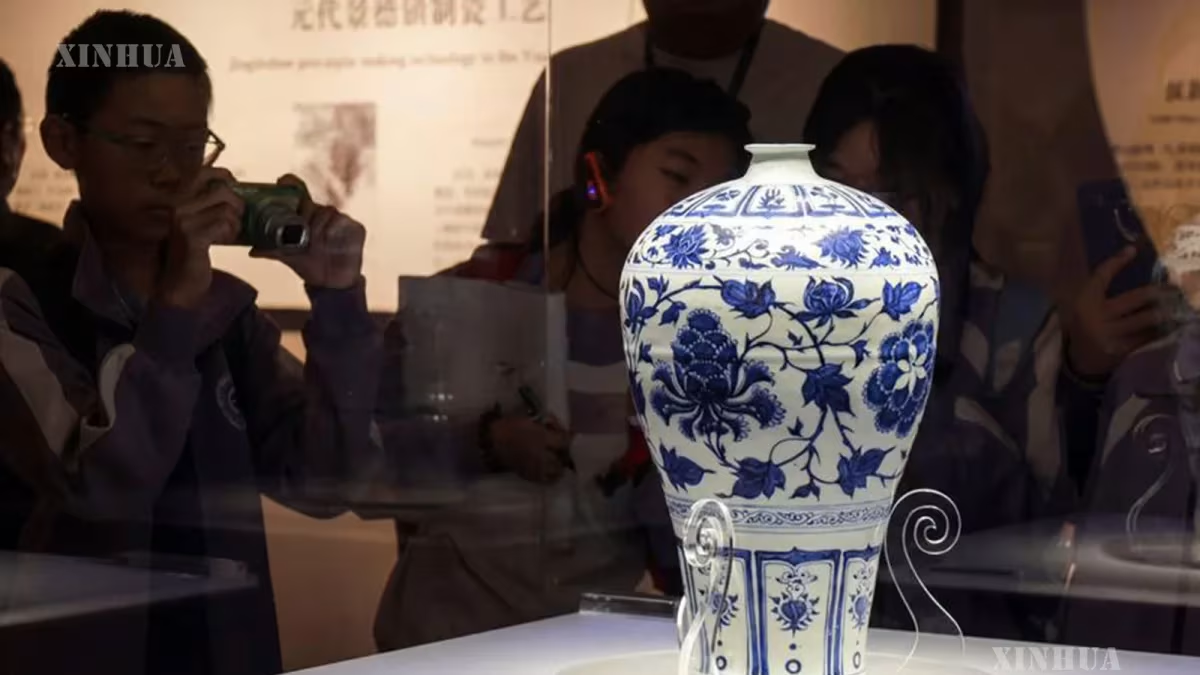
တရုတ်နိုင်ငံ ကျင်တယ်ကျန့်မြို့ရှိ ကြွေထည်ပစ္စည်း ပြုလုပ်သူများမှာ ရွှံ့စေးများကို ပြင်ဆင်ခြင်း၊ အိုးများကို ပုံဖော်ခြင်း၊ ဒီဇိုင်းလက်ရာများကို ဆေးသုတ်ခြင်း၊ စဥ့်ရည်သုတ်ခြင်းနှင့် မီးပြင်းဖိုများကို မီးထိုးခြင်းကဲ့သို့သော အထူးကျွမ်းကျင်ရန်လိုအပ်သည့် လုပ်ငန်းစဉ်အဆင့်ဆင့်ကို မျိုးဆက်ပေါင်းများစွာတိုင်အောင် လုပ်ဆောင်ခဲ့ကြသည်။
ထိုသို့သော ကျွမ်းကျင်မှုများသည် တရုတ်နိုင်ငံ အရှေ့ပိုင်းမြို့လေး၏ နေ့စဉ်ဘဝတွင် တစ်သားတည်းဖြစ်သော အစိတ်အပိုင်းတစ်ခုအဖြစ် တည်ရှိနေဆဲဖြစ်သည်။ ယခုအခါ ရာစုနှစ်များစွာအတွင်း အဆိုပါလက်မှုပညာရပ် ဆင့်ကဲတိုးတက်လာခဲ့သည့် နေရာများသည် နိုင်ငံတကာ၏ အသိအမှတ်ပြုမှုကို ရရှိခဲ့ပြီဖြစ်သည်။
ကျင်တယ်ကျန့် လက်မှုကြွေထည်လုပ်ငန်း အမွေအနှစ်နေရာများအား ယူနက်စကို ကမ္ဘာ့အမွေအနှစ် စာရင်းဝင်အဖြစ် ဇူလိုင် ၂၅ ရက်က သတ်မှတ်ခဲ့ခြင်းမှာ အဆိုပါစာရင်း၌ ကြွေထည်အမွေအနှစ်နှင့် ပတ်သက်၍ ကာလရှည် လစ်ဟာနေခဲ့သည့် ကွက်လပ်ကို ဖြည့်ဆည်းနိုင်ခဲ့ခြင်းဖြစ်သကဲ့သို့ တရုတ်နိုင်ငံ၏ ၆၁ ခုမြောက် ကမ္ဘာ့အမွေအနှစ် နေရာလည်းဖြစ်လာခဲ့သည်။
ယူနက်စကို ကမ္ဘာ့အမွေအနှစ် စာရင်းဝင်အဖြစ် လတ်တလော ထည့်သွင်းသတ်မှတ်ခံရခြင်းမှာ ယဉ်ကျေးမှု အမွေအနှစ် ထိန်းသိမ်းရေးဟူသော တရုတ်နိုင်ငံ၏ ဆယ်စုနှစ်များစွာ စိတ်ပိုင်းဖြတ်မှုကိုသာမက ယဉ်ကျေးမှု အမွေအနှစ် ကာကွယ်ထိန်းသိမ်းခြင်းကို နိုင်ငံဖွံ့ဖြိုးတိုးတက်မှု၊ ယဉ်ကျေးမှုဆိုင်ရာ ထိန်းသိမ်းကာကွယ်မှု၊ နိုင်ငံတကာ ကူးလူးဆက်ဆံမှုများနှင့် ပိုမိုပေါင်းစည်းလုပ်ဆောင်လျက်ရှိသော ကျယ်ပြန့်သည့် မျှော်မှန်းချက်ကိုလည်း ထင်ဟပ်စေခဲ့သည်။
တရုတ်နိုင်ငံ သမ္မတ ရှီကျင့်ဖိန်ကလည်း ယဉ်ကျေးမှုနှင့် သဘာဝအမွေအနှစ်များကို ကာကွယ်ထိန်းသိမ်းရန် အရေးကြီးကြောင်း အလေးထားပြောဆိုခဲ့သည်။ နိုင်ငံတစ်ဝန်း လေ့လာစစ်ဆေးရေးခရီးစဉ်များ သွားရောက်ရာတွင် ရှီက အမွေအနှစ် ထိန်းသိမ်းခြင်းဟူသော အကြောင်းအရာကို အကြိမ်ကြိမ်ပြောဆိုလျက် ယင်းသို့ ကာကွယ်စောင့်ရှောက်ခြင်းကို ပထမဦးစားပေးအဖြစ် လုပ်ဆောင်ကာ သမိုင်း၊ ယဉ်ကျေးမှုနှင့် သဘာဝတရားကို အလေးထားသင့်သည်ဟု အလေးအနက်ပြောကြားခဲ့သည်။
ရှီသည် ၂၀၁၆ ခုနှစ်တွင် မူဝါဒများ ချမှတ်ကြေညာခဲ့ချိန်မှစ၍ ထိုမူဝါဒများသည် တရုတ်နိုင်ငံ၏ အမွေအနှစ်များ အဆိုပြုတင်သွင်းရေး ကြိုးပမ်းချက်များကို လမ်းညွှန်မှုပေးခဲ့သည်။ အဆိုပြုတင်သွင်းထားသော စီမံကိန်းများမှာလည်း တရုတ်ယဉ်ကျေးမှု၏ သမိုင်းကြောင်းနှင့် ယဉ်ကျေးမှုတန်ဖိုးကို ထုတ်ဖော်ပြသခြင်း၊ တရုတ်နိုင်ငံ၏ မျှော်မှန်းချက်များကို အကောင်အထည်ဖော်ခြင်း၊ ခေတ်ဟောင်းနှင့် ခေတ်သစ်နှစ်ခုစလုံးမှ တရုတ်နိုင်ငံ၏ ပကတိအခြေအနေကို ကျယ်ကျယ်ပြန့်ပြန့် ဖော်ညွှန်းခြင်းတို့အား အထောက်အကူပြုသင့်ကြောင်း ရှီက ဆိုသည်။
တရုတ်နိုင်ငံ၏ အစောပိုင်း ယဉ်ကျေးမှုကို သက်သေပြုလျက်ရှိသော နှစ်ပေါင်း ၅,၀၀၀ သက်တမ်းရှိသည့် လျန်ကျူမြို့၏ ရှေးဟောင်းသုတေသနဆိုင်ရာ အမွေအနှစ်နေရာ၊ အစဉ်အလာဓလေ့ကို ထိန်းသိမ်းသော မြို့ပြစီမံချက်ကို အဓွန့်ရှည်စွာ ဖော်ညွှန်းလျက်ရှိသော ပေကျင်းမြို့၏ နှစ်ပေါင်း ၇၀၀ သက်တမ်းရှိ ဗဟိုဝင်ရိုး၊ ၁၁ ရာစုမှ ၁၃ ရာစုအထိ ပိုးလမ်းမများတစ်လျှောက် ယဉ်ကျေးမှုချင်း ကူးလူးဖလှယ်မှုများနှင့် ပေါင်းစည်းမှုတို့ကို သက်သေပြုလျက်ရှိသော အလွန်ကြီးမားသော ဂူသင်္ချိုင်းအဆောက်အအုံဝင်းဖြစ်သည့် ရှီးရှ ဧကရာဇ်ဂူသင်္ချိုင်းများ အပါအဝင် တရုတ်နိုင်ငံ၏ ကမ္ဘာ့အမွေအနှစ်စာရင်းဝင်အဖြစ် သတ်မှတ်ခံရသော နေရာများက အဆိုပါ ချဉ်းကပ်ပုံနည်းလမ်းကို ထင်ဟပ်စေခဲ့သည်။
ကမ္ဘာ့အမွေအနှစ်အဖြစ် တင်သွင်းရာတွင် အများအားဖြင့် နှစ်အတန်ကြာ ကြိုတင်ပြင်ဆင်မှုများကိုသာမက ထိန်းသိမ်းစောင့်ရှောက်မှုနှင့် ဖွံ့ဖြိုးတိုးတက်မှုတို့အကြား ခက်ခက်ခဲခဲ ချိန်ညှိလုပ်ဆောင်မှုများကိုလည်း လိုအပ်လျက်ရှိသည်။ (Xinhua)
သတင်းအပြည့်အစုံကို ဖော်ပြပါလင့်ခ်မှတစ်ဆင့် ဝင်ရောက်ဖတ်ရှုနိုင်ပါသည်။
https://english.news.cn/20260729/ffff8b65e0af4a778c607fcc2f0d5c36/c.html
.............................................................
(English Version)
Xi Focus: Jingdezhen World Heritage listing highlights China's commitment to preserving cultural legacy
BEIJING, July 29 (Xinhua) -- For generations, porcelain makers in Jingdezhen have worked through a sequence of highly specialized tasks: preparing clay, shaping vessels, painting designs, applying glaze, and firing kilns.
Those skills remain an integral part of daily life in the eastern Chinese city. Now, the places where the craft evolved over centuries have gained international recognition.
The Jingdezhen Handicraft Porcelain Industry Sites were added to UNESCO's World Heritage List on July 25, filling a long-standing gap in the list for porcelain heritage and becoming China's 61st World Heritage site.
The latest addition reflects both China's decades-long commitment to preserving cultural heritage and a broader vision in which heritage protection is increasingly integrated into national development, cultural preservation and international exchanges.
Chinese President Xi Jinping has stressed the importance of protecting cultural and natural heritage. He has made heritage conservation a recurring theme during inspection tours across the country, emphasizing that protection should come first and that history, culture and nature should be treated with respect.
In 2016, Xi outlined principles that have since guided the country's heritage nomination efforts. He said candidate projects should help showcase the historical and cultural value of Chinese civilization, embody the aspirations of the Chinese nation, and present an authentic and comprehensive picture of both ancient and modern China.
The approach is reflected in China's World Heritage inscriptions, including the 5,000-year-old Archaeological Ruins of Liangzhu City, which provide evidence of an early Chinese civilization; Beijing's 700-year-old Central Axis, an enduring expression of traditional urban planning; and the Xixia Imperial Tombs, a vast burial complex that bears witness to cultural exchanges and integration along the Silk Roads from the 11th to 13th centuries.
The road to World Heritage status often requires years of preparation and difficult trade-offs between preservation and development.
https://english.news.cn/20260729/ffff8b65e0af4a778c607fcc2f0d5c36/c.html
English Caption 1
This file photo taken on Jan. 17, 2025 shows a view of the Taoyangli Historical and Cultural Block in Jingdezhen, east China's Jiangxi Province. (Xinhua)
English Caption 2
A piece of blue-and-white porcelain made in the Yuan Dynasty (1271-1368) is on display at the Jingdezhen China Ceramics Museum in Jingdezhen, east China's Jiangxi Province, May 8, 2025. (Xinhua)