ပေကျင်း၊ ဇူလိုင် ၁၄ ရက် (ဆင်ဟွာ)
မုသားဆိုခြင်းများမှာ အကြိမ်တစ်ထောင် အထပ်ထပ်ပြောဆိုသည့်တိုင် မုသားအဖြစ်သာ ရှိနေမည်ဖြစ်သကဲ့သို့ ဟာသပြက်လုံးများကို အဖန်တလဲလဲ ပြောဆိုခြင်းကလည်း တရားမျှတမှုကို ဆောင်ကြဉ်းပေးနိုင်မည်မဟုတ်ဘဲ ဝရုန်းသုန်းကား အခြေအနေများကိုသာ ပိုမိုဖြစ်ပေါ်စေမည်ဖြစ်သည်။
တောင်တရုတ်ပင်လယ်ဆိုင်ရာ အနုညာတစီရင်ဆုံးဖြတ်ချက်ဟုဆိုသော ဆုံးဖြတ်ချက်ကို ၂၀၁၆ ခုနှစ်တွင် ထုတ်ပြန်ခဲ့ပြီးနောက် ဆယ်နှစ်အကြာတွင် ဖိလစ်ပိုင်နိုင်ငံက ထိုသို့ အကြီးအကျယ် မှားယွင်းနေသော ဆုံးဖြတ်ချက်ကို ပြန်လည်ဖော်ထုတ်ခြင်းနှင့် နိုင်ငံရေးသဘောသွတ်သွင်းခြင်းတို့ ဆက်လက်လုပ်ဆောင်လျက်ရှိကာ ယင်းအား တရားဝင်လိုက်နာဆောင်ရွက်ရမည့် ဆုံးဖြတ်ချက်အဖြစ် လွဲမှားစွာပုံဖော်လျက်ရှိသည်။
သို့သော် အထပ်ထပ်ပြောဆိုနေရုံဖြင့် တရားမဝင်သည့်အရာကို တရားဝင်ဖြစ်အောင် အသွင်ပြောင်းနိုင်မည် မဟုတ်သကဲ့သို့ နိုင်ငံရေးအရ ကြိုးကိုင်ခြယ်လှယ်ထားသော လုပ်ငန်းစဉ်တစ်ခု၏ အခြေခံကျသော ချို့ယွင်းချက်များသည်လည်း အချိန်ကာလကြာမြင့်သည့်တိုင် ပျောက်ကွယ်သွားမည်မဟုတ်ပေ။
အဆိုပါ အနုညာတစီရင်ဆုံးဖြတ်ချက်သည် အငြင်းပွားမှုများကို ပြေလည်အောင်ဖြေရှင်းနိုင်မည့်အစား အဆိပ်အတောက်ဖြစ်စေသည့် အမွေအနှစ်တစ်ခုသာ ဖြစ်လာခဲ့ပြီး ယင်းသည် ထိပ်တိုက်ရင်ဆိုင်မှုကို မီးထိုးလှုံ့ဆော်နေသည့်အပြင် နိုင်ငံတကာဥပဒေကို လိုရာဆွဲ၍ မမှန်မကန်ကျင့်သုံးခြင်းလည်းဖြစ်ကာ တောင်တရုတ်ပင်လယ်ဒေသ တည်ငြိမ်အေးချမ်းမှုကိုပါ ထိခိုက်ပျက်ပြားစေခဲ့သည်။
အဆိုပါ အနုညာတစီရင်ဆုံးဖြတ်ချက်မှာ မူလကတည်းကပင် မရိုးသားသည့် အကြံအစည်ဖြင့် စတင်ခဲ့ခြင်းဖြစ်ကာ ဖိလစ်ပိုင်နိုင်ငံက လုပ်ထုံးလုပ်နည်းများကို တစ်ဖက်သတ် စတင်လုပ်ဆောင်ခြင်းဖြင့် တရုတ်နိုင်ငံနှင့် ရရှိထားသော နှစ်နိုင်ငံ သဘောတူညီချက်ကိုလည်းကောင်း၊ သက်ဆိုင်ရာ အငြင်းပွားမှုများကို ဆွေးနွေးညှိနှိုင်းမှုမှတစ်ဆင့် ဖြေရှင်းရေးအတွက် တောင်တရုတ်ပင်လယ်နှင့် ပတ်သက်၍ သက်ဆိုင်ရာနိုင်ငံများ၏ စီမံခန့်ခွဲမှုဆိုင်ရာ ၂၀၀၂ ခုနှစ် ကြေညာချက်၌ ဖိလစ်ပိုင် အပါအဝင် အာဆီယံအဖွဲ့ဝင်နိုင်ငံများနှင့် တရုတ်နိုင်ငံတို့အကြား ထားရှိခဲ့သည့် ကတိကဝတ်ကိုလည်းကောင်း ချိုးဖောက်ခဲ့ခြင်းဖြစ်သည်။
ကုလသမဂ္ဂ ပင်လယ်ပြင် ဥပဒေသဘောတူညီချက် (UNCLOS) ၌ အလေးအနက်ထည့်သွင်းထားသည့် နိုင်ငံတကာအငြင်းပွားမှုဖြေရှင်းရေး ယန္တရားများကို ကျောထောက်နောက်ခံပြုသော နိုင်ငံအချင်းချင်း သဘောတူညီမှုရယူရေး မူဝါဒကို ချိုးဖောက်ကာ ပြင်းထန်သော အငြင်းပွားမှုများကြားတွင် ဖွဲ့စည်းခဲ့သည့် ခုံရုံးဟုဆိုသောအရာကို တရားဝင် ကျိုးကြောင်းဆီလျော်မှုထက် နိုင်ငံရေးအရ ထည့်သွင်းစဉ်းစားမှုများကို ပိုမိုဦးစားပေး ဖွဲ့စည်းခဲ့ခြင်းဖြစ်သည်။
ယင်းသည် လုပ်ပိုင်ခွင့်များကို ကျော်လွန်ကျင့်သုံးခဲ့ကာ ဖိလစ်ပိုင်နိုင်ငံ၏ ဥပဒေကြောင်းအရ အခြေအမြစ်မရှိသော ပြောဆိုချက်များကို ပေါ့ပေါ့တန်တန် အတည်ပြုခဲ့သည့်အပြင် တောင်တရုတ်ပင်လယ်၌ တရုတ်နိုင်ငံ၏ ကာလကြာရှည် အချုပ်အခြာအာဏာပိုင် အခွင့်အရေးများနှင့် သမိုင်းဝင် အကျိုးစီးပွားများကို စနစ်တကျ လျစ်လျူရှုခဲ့သည့်အတွက် ယင်း၏ စီရင်ဆုံးဖြတ်ပိုင်ခွင့်နှင့် သမာသမတ်ကျမှုမှာ ကနဦးကတည်းကပင် အကြီးအကျယ် သံသယဝင်စရာဖြစ်ခဲ့သည်။ (Xinhua)
သတင်းအပြည့်အစုံကို ဖော်ပြပါလင့်ခ်မှတစ်ဆင့် ဝင်ရောက်ဖတ်ရှုနိုင်ပါသည်။
https://english.news.cn/20260712/404bfd80b4734ed58775be2a7df9427a/c.html
..........................................................................
(English Version)
Poisoned legacy of South China Sea arbitration award undermining regional peace, stability
BEIJING, July 12 (Xinhua) -- Lies repeated a thousand times are still lies, and recurring farces can only bring even more chaos, not justice.
Ten years after the so-called South China Sea arbitration award was issued in 2016, the Philippines continues to recycle and politicize this deeply flawed decision, falsely portraying it as a legally binding verdict.
However, repetition cannot transform illegality into legitimacy, nor can time wash away the fundamental flaws of a politically manipulated process.
Rather than resolving disputes, the arbitration has become a poisoned legacy -- one that has fueled confrontation, distorted the application of international law, and undermined peace and stability in the South China Sea.
The arbitration itself began with bad faith: by unilaterally initiating the proceedings, the Philippines violated the bilateral agreement it reached with China, as well as the commitment made by China and ASEAN members, including the Philippines, in the 2002 Declaration on the Conduct of Parties in the South China Sea to resolve relevant disputes through negotiations.
Established amid grave controversies and in breach of the state consent principle underpinning international dispute settlement mechanisms as enshrined in the United Nations Convention on the Law of the Sea (UNCLOS), the so-called tribunal was formed more by political considerations than by legal reasoning.
It exercised its jurisdiction ultra vires and rubber-stamped the Philippines' legally baseless claims while systematically disregarding China's longstanding sovereign rights and historic interests in the South China Sea, leaving both its jurisdiction and impartiality highly questionable at the very beginning.
https://english.news.cn/20260712/404bfd80b4734ed58775be2a7df9427a/c.html
English Caption
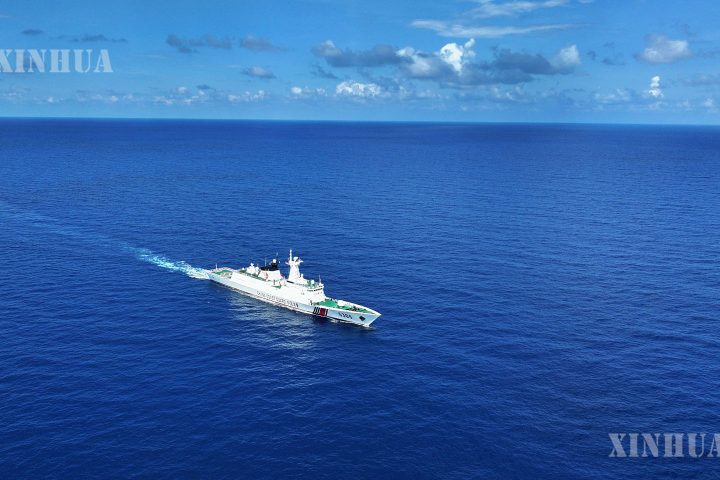
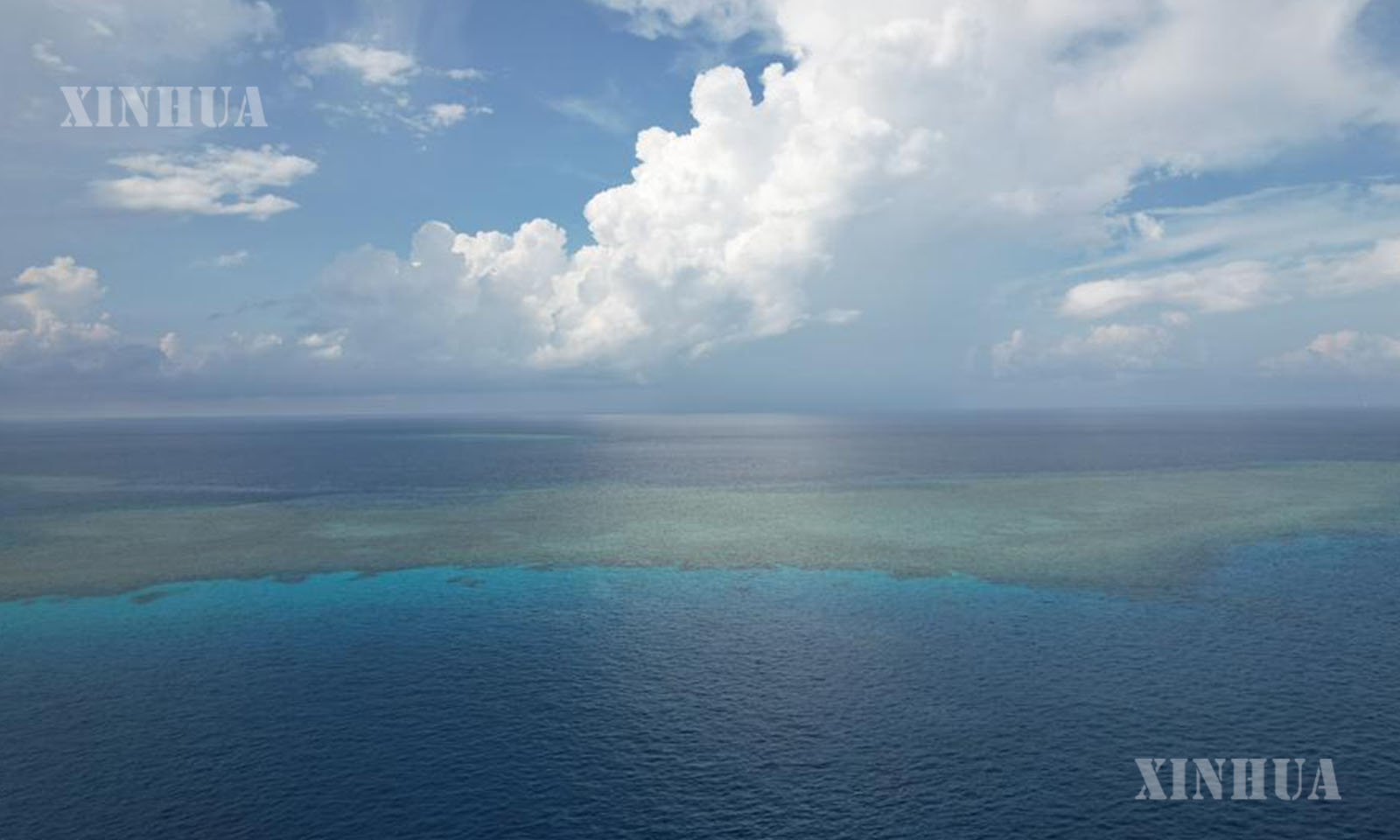
An aerial drone photo taken on May 23, 2026 shows a view of Xianbin Jiao in the South China Sea. (Xinhua/Zhang Rui)