စင်ကာပူ၊ ဩဂုတ် ၁၄ ရက် (ဆင်ဟွာ)
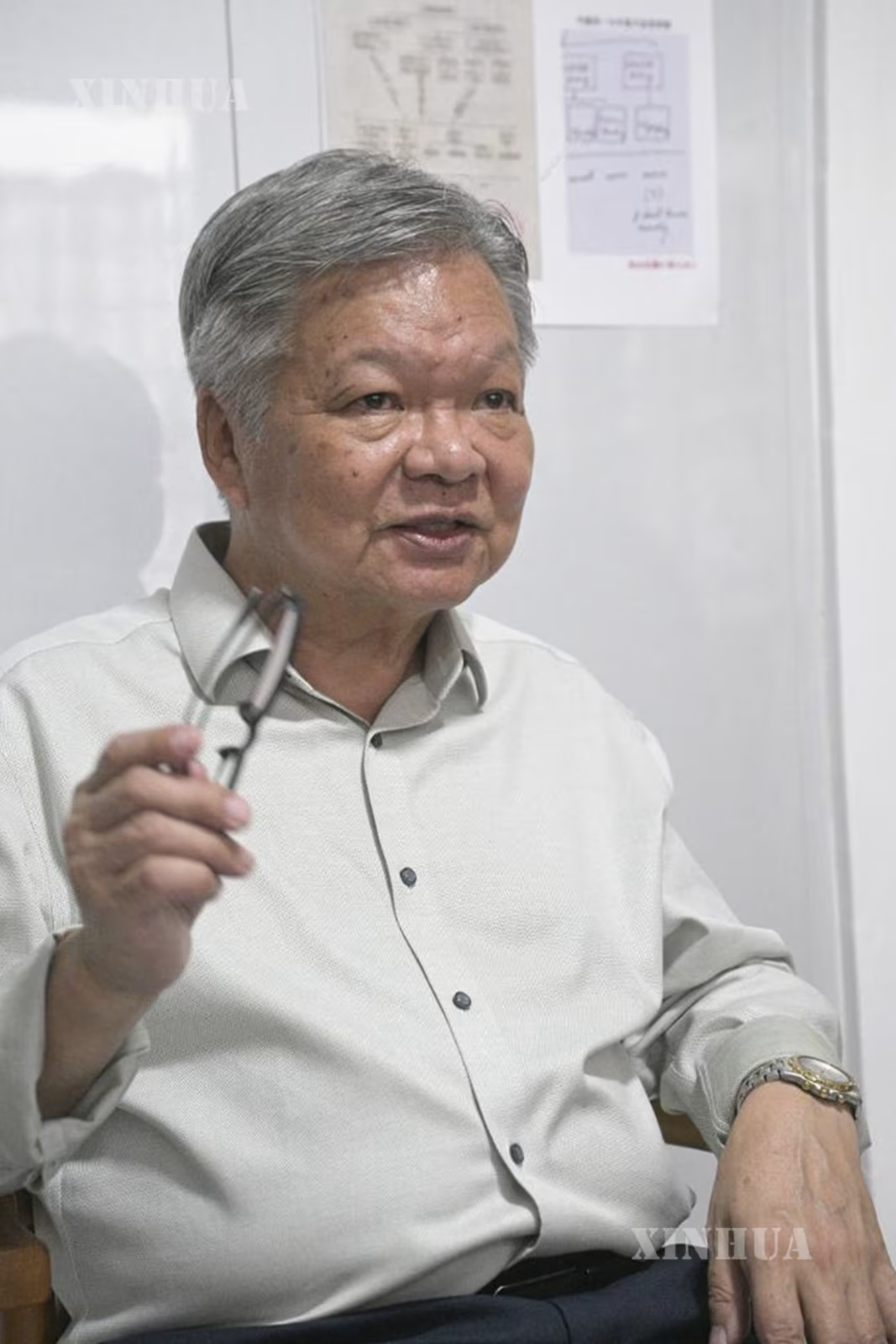
“နှစ်ပေါင်း ၈၀ ကျော် ကြာပြီးမှပဲ ဂျပန်နိုင်ငံက ကျွန်တော်တို့ကို ပြောမပြသေးတဲ့ အကြောင်းအရာတွေ ဘယ်လောက်များများ ရှိနေတယ်ဆိုတာကို အခုမှပဲ စပြီးသဘောပေါက်လာကြတယ်” ဟု အရှေ့တောင်အာရှတွင် ဂျပန်၏ ဇီဝစစ်ပွဲဖော်ဆောင်မှုများကို ဆယ်စုနှစ်များစွာ ခြေရာခံလေ့လာခဲ့သည့် စင်ကာပူသမိုင်းပညာရှင် Lim Shao Bin က မကြာမီက ဆင်ဟွာသတင်းဌာနနှင့် အင်တာဗျူးတွင် ပြောကြားခဲ့သည်။
တွေ့ရှိချက်အသစ်တစ်ခုစီတိုင်းက မှတ်တမ်းတင်ထားခြင်းမရှိသေးသည့် အကြောင်းအရာ မည်မျှကျန်ရှိနေသည်ကို သတိပေးနေခြင်းဖြစ်ပြီး ထိုကွက်လပ်များကို ဖြည့်စွက်ရန်အတွက် အစိုးရများနှင့် ပညာရှင်များအကြား ပိုမိုကျယ်ပြန့်သော နိုင်ငံတကာပူးပေါင်းဆောင်ရွက်မှု လိုအပ်မည်ဖြစ်ကာ ယင်းသို့ ပူးပေါင်းဆောင်ရွက်မှုသည် ဘာသာရပ်နယ်ပယ်အသီးသီးတွင် သုတေသနလုပ်ငန်းများ တိုးတက်စေရန်သာမက သမိုင်းမှတ်တမ်းများ ပိုမိုထွက်ပေါ်လာအောင် အားပေးမြှင့်တင်ရန်အတွက်လည်း ဖြစ်သည်ဟု ၎င်းက ဆိုသည်။
၎င်းသည် ဂျပန်နိုင်ငံရှိ စာအုပ်အဟောင်းဆိုင်များနှင့် အစိုးရမော်ကွန်းတိုက်များတွင် ဂျပန်တို့၏ စစ်ပွဲကာလအတွင်းက မှတ်တမ်းများကို ၁၉၈၀ ပြည့်လွန်နှစ်များမှစ၍ စုဆောင်းခဲ့သည်။ လွန်ခဲ့သည့် ဆယ်စုနှစ်အတွင်း ၎င်းအနေဖြင့် အရှေ့တောင်အာရှဒေသတွင် အခြေပြုလှုပ်ရှားခဲ့သည့် ဂျပန်ဘုရင့်တပ်မတော်၏ လူသိနည်းသော ဇီဝစစ်ပွဲဖော်ဆောင်ရေးတပ်ဖွဲ့ဖြစ်သည့် အမှတ်- ၉၄၂၀ တပ်ဖွဲ့အကြောင်းကို အဓိက သုတေသနပြုလေ့လာခဲ့သည်။
ဂျပန်တို့၏ ကျယ်ပြန့်သော ဇီဝစစ်ဆင်ရေးကွန်ရက်၏ တစ်စိတ်တစ်ဒေသအဖြစ် အမှတ်- ၉၄၂၀ တပ်ဖွဲ့အား ဖွဲ့စည်းခဲ့ခြင်းဖြစ်ကာ ဟားအယ်ပင်းမြို့ရှိ အမှတ်- ၇၃၁ တပ်ဖွဲ့၊ နန်ကျင်းမြို့နှင့် ဂျပန်နိုင်ငံရှိ အခြားတပ်ဖွဲ့များ အပါအဝင် စနစ်တကျဖွဲ့စည်းထားသော တပ်များမှ တပ်ဖွဲ့ဝင်များဖြင့် ဖွဲ့စည်းထားခြင်းဖြစ်သည်။
အမှတ်- ၉၄၂၀ တပ်ဖွဲ့သည် စင်ကာပူနိုင်ငံနှင့် ယခုခေတ် မလေးရှားနိုင်ငံတို့တွင် ရောဂါပိုးများ ထည့်သွင်းထားသောဗုံးများ ထုတ်လုပ်သည့် ကွင်းဆက်တစ်ခုလုံးကို ဖန်တီးခဲ့သည်ဟု ၎င်းက ပြောသည်။ ကြွက်များကို အစာကျွေးရန် ဟင်းသီးဟင်းရွက်များ စိုက်ပျိုးခဲ့သည်။ သွေးစုပ်ယူတတ်သော ပိုးမွှားများဖြစ်သည့် အလှေးများဖန်တီးရန် ကြွက်များကို မွေးမြူခဲ့ခြင်းဖြစ်သည်။ ထို့နောက် အလှေးများကို ပလိပ်ရောဂါကူးစက်စေပြီးနောက် ဖန်ပုလင်းများဖြင့်ထည့်ကာ စစ်မြေပြင်သို့ ပို့ဆောင်ခဲ့သည်။
စင်ကာပူတွင် ဌာနချုပ်ဖွင့်လှစ်ခဲ့သော အဆိုပါတပ်ဖွဲ့သည် ယနေ့ခေတ် မလေးရှား၊ အင်ဒိုနီးရှား၊ ဖိလစ်ပိုင်၊ ထိုင်း၊ ဗီယက်နမ်နှင့် မြန်မာနိုင်ငံတို့တွင် ဌာနခွဲများ ဖွင့်လှစ်ထားရှိခဲ့သည်။
“ရာသီဥတုက အသင့်တော်ဆုံးမို့လို့ ဂျပန်စစ်တပ်က အရှေ့တောင်အာရှကို ရောက်လာခဲ့တာ” ဟု ၎င်းက ပြောသည်။ အလှေးများသည် အပူချိန် ၂၇ ဒီဂရီဆဲလ်စီးယပ်စ်မှ ၃၀ ဒီဂရီဆဲလ်စီးယပ်စ်အကြား၊ စိုထိုင်းဆ ၉၀ ရာခိုင်နှုန်းဝန်းကျင်တွင် မျိုးပွားနိုင်မှု အကောင်းဆုံးဖြစ်သည်ဟု ဂျပန်သုတေသီများက ကောက်ချက်ချခဲ့သည်။
အဆိုပါ တွေ့ရှိချက်များအနက် အများစုကို တရုတ်ပညာရှင် ဝမ်ရွှန်း နှင့်အတူ ပူးတွဲရေးသားကာ ၂၀၂၅ ခုနှစ်တွင် ထုတ်ဝေခဲ့သည့် “Oka 9420 Unit, Japanese South Army BW Troop” ဟူသော စာအုပ်တွင် ဖော်ပြထားသည်။
သို့သော် သက်သေအထောက်အထားသစ်များမှာလည်း အဆက်မပြတ် ထွက်ပေါ်လျက်ရှိသည်။ (Xinhua)
သတင်းအပြည့်အစုံကို ဖော်ပြပါလင့်ခ်မှတစ်ဆင့် ဝင်ရောက်ဖတ်ရှုနိုင်ပါသည်။
https://english.news.cn/20260814/27b763abb61248948f126445cb44deae/c.html
.............................................................................
(English Version)
Uncovering Unit 731's dark history requires broader int'l cooperation, says Singaporean historian
SINGAPORE, Aug. 14 (Xinhua) -- "More than 80 years have passed, and only now are we beginning to realize how much Japan still hasn't told us," said Lim Shao Bin, a Singaporean historian who has spent decades tracing Japan's biological warfare activities in Southeast Asia, in a recent interview with Xinhua.
As each new discovery serves as a reminder of how much remains undocumented, Lim said that filling those gaps would require broader international cooperation among governments and scholars -- not only to advance research across disciplines, but also to encourage the release of more historical records.
Since the 1980s, Lim has collected wartime Japanese documents from secondhand bookstores and government archives in Japan. Over the past decade, his research has focused on Unit 9420, a lesser-known biological warfare unit of the Japanese Imperial Army that operated in Southeast Asia.
Unit 9420 was built as part of Japan's broader biological warfare network, with personnel drawn from established units including Unit 731 in Harbin, and other units in Nanjing and the Japanese homeland.
According to Lim, Unit 9420 "created an entire production line for germ bombs in Singapore and what is now Malaysia." Vegetables were cultivated to feed rats. Rats were bred to produce fleas. The fleas were then infected with plague bacteria before being packed into glass bombs and transported to battlefields.
Headquartered in Singapore, the unit maintained branches across present-day Malaysia, Indonesia, the Philippines, Thailand, Vietnam and Myanmar.
"The Japanese military came to Southeast Asia because the climate was ideal," Lim said. Japanese researchers had concluded that fleas reproduced most efficiently at temperatures between 27 and 30 degrees Celsius and humidity levels of around 90 percent.
Many of these findings appeared in "Oka 9420 Unit, Japanese South Army BW Troop," a book Lim co-authored with Chinese scholar Wang Xuan and published in 2025.
Yet new evidence has continued to emerge.
https://english.news.cn/20260814/27b763abb61248948f126445cb44deae/c.html
English Caption 1
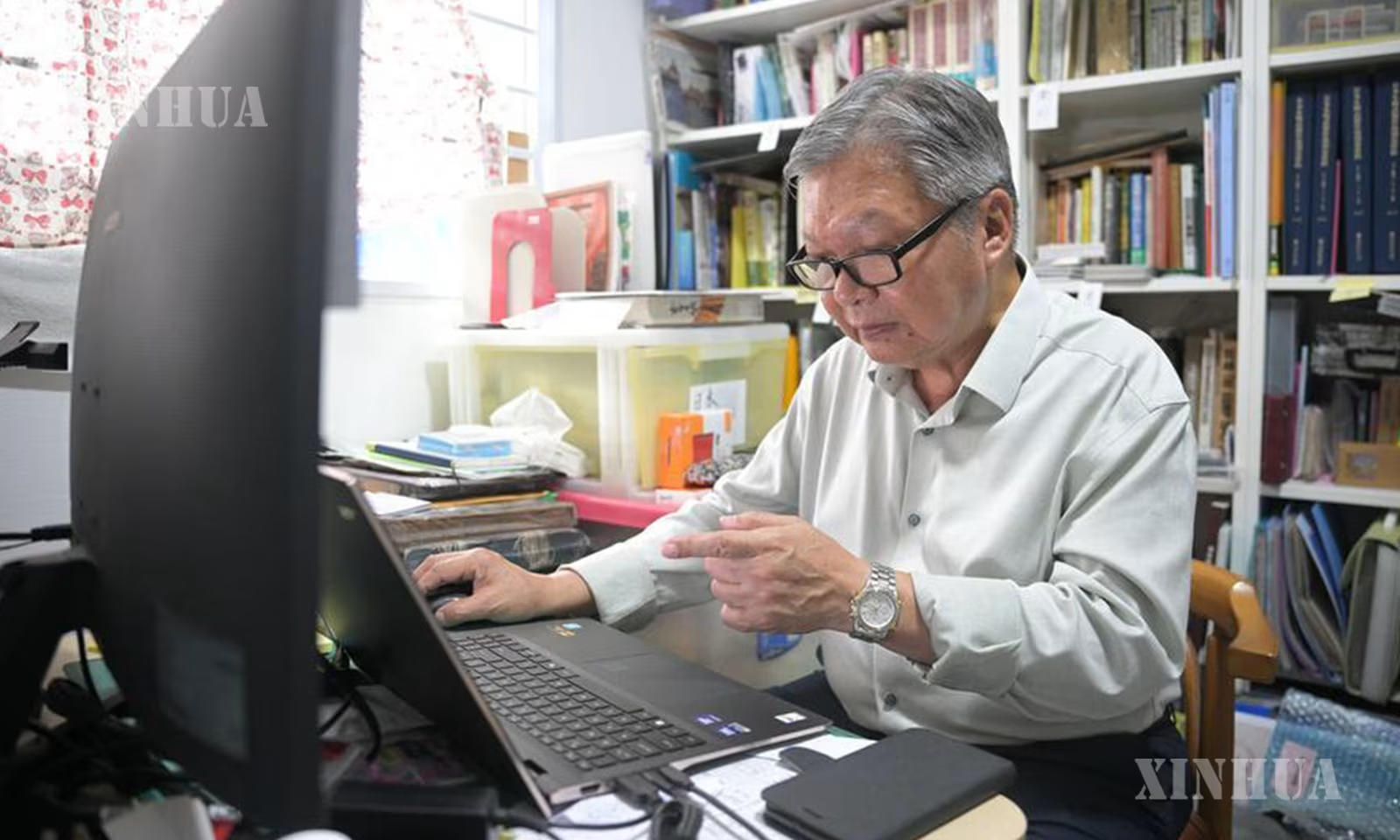
Singaporean historian Lim Shao Bin reviews materials at his home in Singapore, July 31, 2026. (Xinhua/Then Chih Wey)
English Caption 2
Singaporean historian Lim Shao Bin speaks during an interview with Xinhua at his home in Singapore, July 31, 2026. (Xinhua/Then Chih Wey)